
Quick answer
A roof-age letter is not an order to reroof. Under 15 years, Florida law says age alone can't cost you the policy. At 15 or older, an inspection showing five or more years of remaining useful life gives the same protection. Insurers can still act on condition, so confirm with your agent.
Under Florida's 15-year roof rule (section 627.7011, Florida Statutes), an insurer may not refuse to write or renew a homeowners policy solely because the roof is under 15 years old. Once the roof is 15 or older, the insurer must let you have it inspected by an authorized inspector, and if the inspection shows at least five years of remaining useful life, the insurer may not refuse to write or renew solely because of roof age. So when a roof letter arrives, read the deadline, call your agent, and book an inspection before deciding on a new roof.
The rule came out of the December 2022 legislative special session (SB 2-A). It protects against non-renewal based on age alone. It does not stop insurers from asking for inspections, raising premiums or applying other underwriting rules, so your agent is the person to confirm how it applies to your policy.
Quick answer: what the 15-year roof rule does and does not do
| Roof age | What the rule says | What it does not cover |
|---|---|---|
| Under 15 years | The insurer may not refuse to write or renew solely because of the roof's age. | Other reasons, such as visible damage, a poor inspection result or general underwriting rules. |
| 15 years or older | The insurer must allow an inspection by an authorized inspector before refusing on age alone. | It does not require the insurer to accept a roof in poor condition. |
| 15+ with 5+ years remaining life | If the inspection shows at least five years of remaining useful life, the insurer may not refuse to write or renew solely because of age. | Premiums, deductibles, other coverage terms and any repairs the inspection calls out. |
What a roof letter from your insurer usually asks for
Roof letters vary by company, but most fall into a few types. Read yours for three things: what is being asked for, by what date, and what happens if you do nothing.
- A request for a roof inspection or roof condition form. Many insurers, including Citizens, use a roof inspection form for older roofs that records the roof covering, its age, its condition and its remaining useful life.
- A 4-point inspection. Common on older homes, this covers the roof, electrical, plumbing and HVAC systems in one report.
- Proof of a roof update. If your roof was replaced and the insurer's records show the original date, a permit record or the roofer's paperwork may settle it.
- A notice of non-renewal or a change in coverage. This is the one to take straight to your agent, along with the inspection rule above.
A wind mitigation report on form OIR-B1-1802 is a different document. It records wind-resistive features such as roof deck attachment, roof-to-wall connections and roof shape, and it can affect your wind premium, but it is not the same as a roof condition inspection. Your insurer may want one, the other, or both.
Why Oviedo, Winter Springs and Winter Park homes get these letters in waves
Roof letters tend to arrive street by street, because whole neighborhoods were roofed in the same few years. Oviedo grew from about 3,000 people in 1980 to around 40,000 today, with most homes built between the late 1980s and 2010. In subdivisions like Alafaya Woods and Twin Rivers, many original roofs went on within a few seasons of each other and now cross the 15-year and 20-year marks together. When one neighbor gets a letter, the rest of the block is usually close behind. Our Oviedo roof repair and replacement page covers that housing in more detail.
Winter Springs went from about 1,200 residents in 1970 to 22,000 by 1990, so much of Tuscawilla and the surrounding communities is on its second roof and coming due for a third. Closer in, the mid-century ranch homes that make up most of Winter Park's housing are often on their third or fourth roof, and the age that matters to the insurer is the age of the current covering, not the house. Roofs put on after Charley in 2004 are now past 20 years.
What to do when the roof letter arrives
- Note the deadline. Put the response date on your calendar and keep the letter.
- Call your agent. Ask exactly what the insurer needs, which forms it accepts, and whether the roof-age rule applies to your situation.
- Find your roof's real age. The permit record is the best proof. City of Winter Park Building and Permitting Services, the Oviedo and Winter Springs building departments, the Seminole County Building Division and the Orange County Division of Building Safety each keep records for their areas. Your closing documents or the previous owner's paperwork may also show a reroof date.
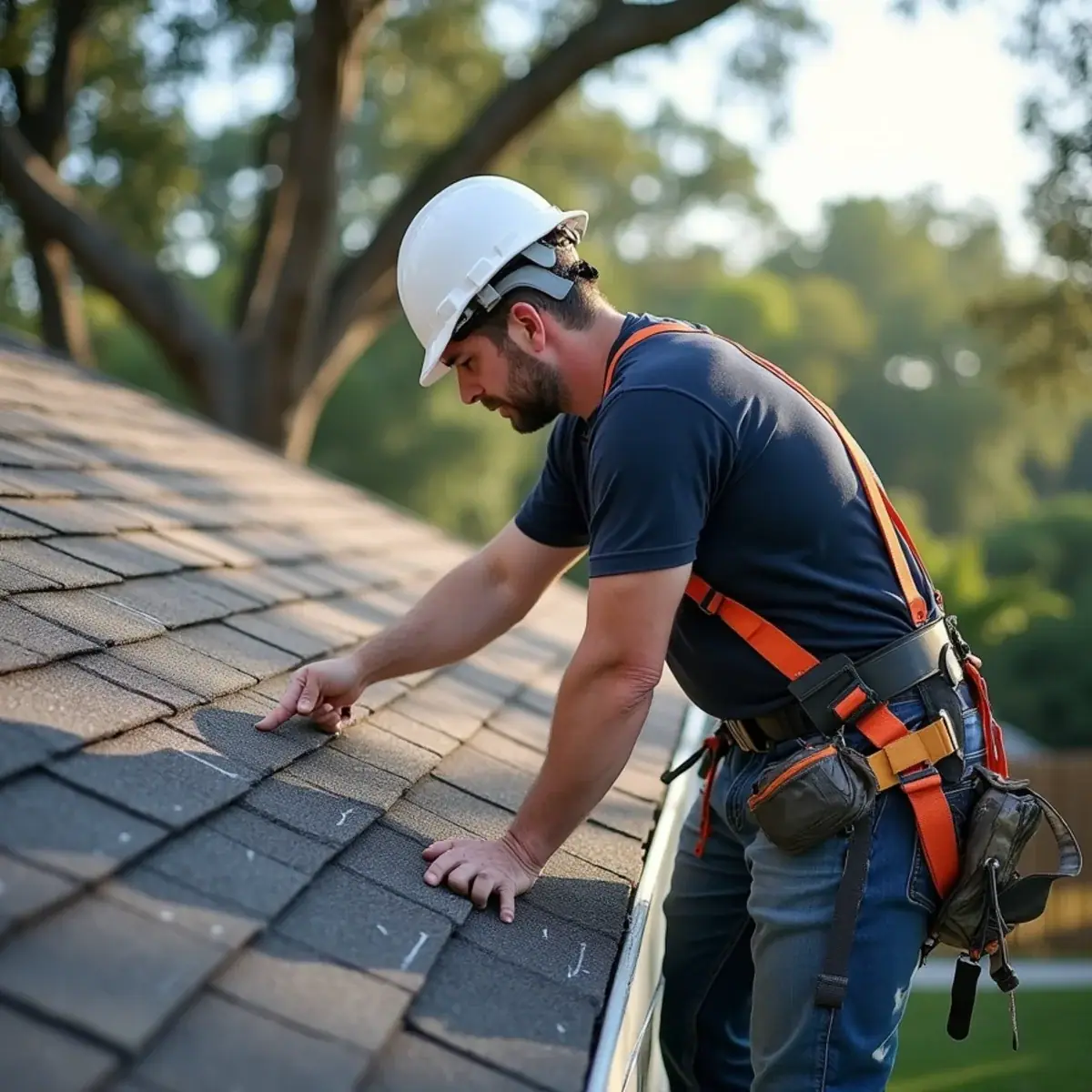
- Book a roof inspection. An authorized inspector looks at the covering, flashing, penetrations and signs of leaks, then estimates remaining useful life on the insurer's form. Ask your agent or insurer which inspectors and forms they accept.
- Fix what the inspection finds. Lifted shingles, a cracked pipe boot or a failed flashing can sometimes be repaired, and a clean follow-up report may satisfy the insurer.
- Decide on repair or replacement with the inspection report in hand, not before.
- Shop your coverage if needed. If your insurer still non-renews for another reason, your agent can check other carriers.
Our roof inspection page explains what the roofer checks on an insurance inspection and what you get back: photos, written findings and, where repairs are needed, a written price.
What remaining useful life means on an insurance roof inspection
Remaining useful life is the inspector's estimate of how many more years the roof covering can keep water out with normal maintenance. It is a judgment based on what the roof shows: granule loss and curling on shingles, cracked or slipped tile, brittle sealant, worn flashing, soft decking, and stains in the attic.
Material matters. A shingle roof in Central Florida sun ages faster than the same roof up north, so a 17-year-old shingle roof under full sun in Oviedo may show more wear than one shaded by oaks in Winter Park. Tile roofs are tricky in the other direction: the tiles can look fine while the underlayment beneath them is near the end, which an inspector checks at penetrations, valleys and any lifted tile. Our tile roof repair page explains why.
A typical Oviedo roof letter (illustrative example)
A homeowner in a 2005-built Oviedo subdivision gets a letter asking for a roof inspection form within 30 days. The original shingle roof is 21 years old. The roofer finds two cracked pipe boots, some lifted tabs on the west slope and moderate granule loss, and notes the decking is sound. The homeowner gets a written price for the repairs and asks the agent whether a report after repairs would be accepted. The agent explains what the insurer will look for, and the homeowner weighs a repair now against a reroof in a year or two.
When replacing the roof makes more sense
Sometimes the inspection confirms what you suspected: the roof is near the end, and repairs will not buy five years. Signs include widespread curling or cracked shingles, repeated leaks on several slopes, soft decking, and tile roofs with failed underlayment across most of the roof. In that case, putting money into repairs to pass one inspection may not be the best use of it.
A roof replacement resets the age clock for the insurer. Florida code requires deck re-nailing to current schedules where needed and a secondary water barrier on most reroofs; the roofer confirms what applies. Those upgrades can also show up on a new wind mitigation report, which may affect your wind premium; ask your agent. On older Winter Springs homes facing a third roof, the Winter Springs roof repair page covers the HOA and housing side of that decision.
From the roof: what decides the remaining-life number
The remaining useful life on an insurance form is a judgment, but it rests on things anyone can see in the photos. Knowing what the inspector looks at helps you read the result honestly instead of hoping for a number.
What moves the estimate on a shingle roof
- Granule loss. Granules piled at downspouts and bare, dark patches on the shingles mean the asphalt is exposed to sun and aging fast.
- Seal strips. Tabs that lift with light pressure have lost their bond and are the first to go in the next storm.
- Cracks and curling, especially on south and west slopes that take the most afternoon sun.
- Penetrations and flashing. Split pipe boots and loose wall flashing are common on roofs this age and are usually repairable.
- The attic. Stained decking, rusty nail tips and soft spots tell the inspector whether the roof has already been letting water in.
The tradeoff with repairing to pass
Fixing pipe boots, flashing and a few lifted tabs before the report can turn a borderline roof into a clean one, and on a roof with sound shingles that is money well spent. A repair does not change the roof's age, though. If the shingles themselves are worn, a repair may get you through this renewal while the next letter arrives in a year or two. Before paying for repairs, ask the roofer how much life the roof has left after them, and weigh that against reroofing once.
Quick answers
Can my insurer drop me just because my roof is 16 years old?
Not on age alone, if an inspection shows the roof has at least five years of remaining useful life. Florida's rule requires the insurer to allow that inspection for roofs 15 years or older. The insurer can still act on the roof's condition, other parts of the home or general underwriting rules, so confirm with your agent how it applies to your policy.
How do I find out how old my roof is?
Start with the permit record. The building department that covers your address, such as the City of Winter Park, Oviedo, Winter Springs or Seminole or Orange County, keeps records of reroof permits with dates. Closing documents, a previous inspection report or the seller's disclosure can help too. If nothing turns up, a roofer can estimate age from the materials during an inspection.
Is a wind mitigation report the same as a roof inspection for insurance?
No. A wind mitigation report on form OIR-B1-1802 records features that resist wind, like roof deck attachment and roof-to-wall connections, and can affect your wind premium. A roof condition inspection estimates the roof's age and remaining useful life. Your insurer may ask for either or both, so check the letter or ask your agent.
Does a 15-year-old roof have to be replaced in Florida?
No. No Florida law requires a roof to come off at 15 years. Fifteen is the age at which the insurance protection changes: below it, age alone can't be the reason for refusal or non-renewal, and at or above it, an inspection showing five or more years of remaining useful life keeps that protection. Plenty of 15-year-old roofs have years left; the inspection shows whether yours does.
The bottom line on a roof-age letter
Florida's 15-year roof rule gives you time and a way to prove your roof's condition, not a guarantee of coverage. Read the deadline, call your agent, find the permit date, and get an inspection with photos before deciding anything. If the report shows real life left, small repairs may be all the roof needs. If it doesn't, a planned reroof beats a rushed one. A roof inspection with photos and written findings is the step that turns the letter into an informed choice.