
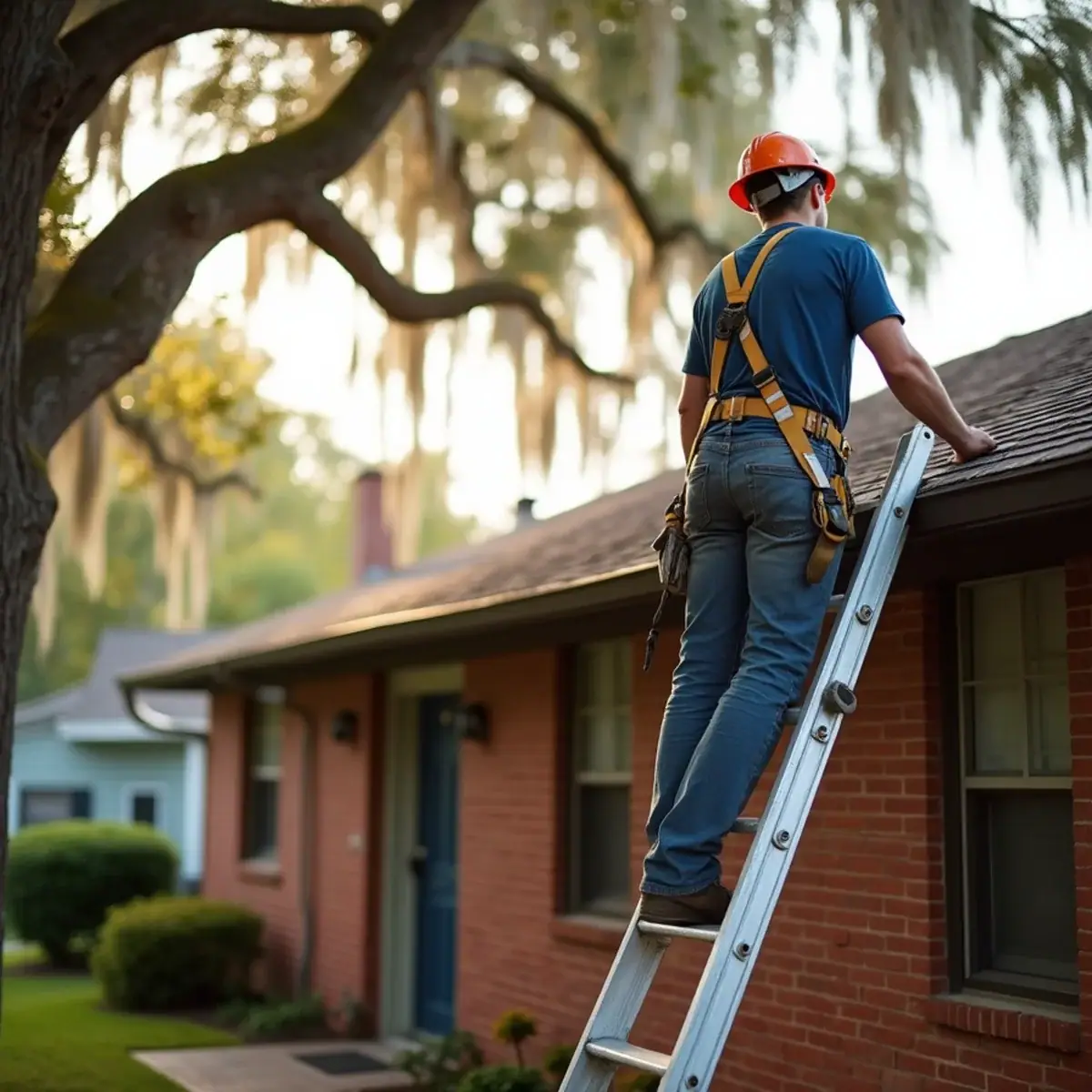
Answering now · Open 24 hours, 7 days a week
24/7 Roof Repair in Winter Park, FL
Ceiling stain, dripping water or a limb on the roof? A real person answers day and night, and we send a licensed, insured Florida roofer who traces the leak and gives you a written price before any work starts.
Answering 24/7Winter Park, Maitland, Goldenrod and nearby
- Phones answered 24/7
- Licensed and insured Florida roofers
- Written price before work starts
Roof repair and roofing in Winter Park, FL
A roofer for Winter Park's older homes, oak-shaded streets and summer storms
Roof repair in Winter Park, FL usually starts with one of three things: a brown ring on the ceiling after an afternoon storm, an oak limb that came down on the shingles, or a letter from your insurer asking how old the roof is. Whichever brought you here, the first step is the same. Call, tell us what you're seeing, and we send a roofer who finds where the water is actually getting in, not just where it shows up inside.
Winter Park is an old town by Florida standards. More than half of its homes went up between 1950 and 1980, a good number are older than that, and plenty sit under a canopy of live oaks that drops leaves and limbs on roofs all year. That mix of aging shingle roofs, clay and concrete tile, low-slope additions and heavy summer rain is what the roofers we send work on every week.
Water coming in right now?
Do these first, then call. The roofer can take it from there.
- 1Move people, pets and valuables away from the wet area, and away from any ceiling that is bulging.
- 2Put buckets or bins under the drips and towels around them. If a ceiling bubble is holding water, a small hole at its lowest point lets it drain into a bucket instead of collapsing; only do this if you can reach safely and the area is clear of wiring.
- 3If water is near a light fixture, outlet or appliance, turn that circuit off at the breaker panel. Don't touch wet electrical parts.
- 4Take photos and short videos of the ceiling, walls, floors and anything damaged, before you clean up.
Roofing services
Roofing services for Winter Park homes
Seven kinds of calls cover almost everything Winter Park roofs need. Each page explains how the roofer handles it on the homes around here.
Not sure which one you need?
Describe what you're seeing and we'll send the right roofer. Metal roofs, skylights, soffit and fascia, chimneys and gutters are covered too.
Call (773) 207-0769Local roof knowledge
Roof problems we see on Winter Park homes
Every city has its own roof trouble. In Winter Park, the same five problems account for most of the calls we take, and each one has a neighborhood where it shows up more than anywhere else.

- 01
Oak limbs and leaf-dammed valleys under the canopy
On the brick streets of Olde Winter Park and around the Chain of Lakes, live oaks and camphor trees hang right over the roof. Leaves pack into valleys and gutters, rain backs up under the shingle edges, and a slow leak appears at the inside corner of a room. A summer storm can also snap a limb that scuffs off granules, cracks tile or punches through the deck. Clearing the valley fixes some leaks; others need new valley metal or storm damage roof repair.
- 02
Worn underlayment on older tile roofs
The Mediterranean-style and lakefront homes in the Vias and along Lake Virginia and Lake Osceola often carry clay barrel or concrete tile. The tile can last for generations, but the underlayment beneath it usually wears out after 20 to 25 years in Florida heat. The tiles look fine from the street while water runs under them. The fix is often lift-and-relay: tile roof repair that lays new underlayment and puts the original tile back.
- 03
Low-slope sections on mid-century homes
Ranch homes in Orwin Manor and Winter Park Pines, and older houses in the College Quarter near Rollins College, often have a flat or nearly flat section: a Florida room, a covered porch, a carport or a later addition. Where that low-slope roof ties into the pitched roof is one of the most common leak points in town. Patching the membrane rarely holds if the tie-in itself is the problem, which is why flat roof repair starts there.
- 04
Summer thunderstorm leaks
From June to September, afternoon storms arrive almost daily with wind-driven rain that finds every weak pipe boot, cracked sealant joint and loose step flashing. Many of these leaks only show up when rain comes from one direction, which is why a dry-day visit includes an attic check and, when needed, a controlled water test. Our roof leak repair page explains how roofers trace them.
- 05
Insurance letters about roof age
Florida insurers start asking questions once a roof passes 15 years, and plenty of Winter Park homes are on a shingle roof installed in the 2000s. A letter asking for proof of condition doesn't always mean a new roof. A roof inspection with photos and a written remaining-life estimate is often the first step, and our guide to Florida's 15-year roof rule explains your options.
Homes just outside the city share most of these problems: Baldwin Park, College Park and Audubon Park to the south, Maitland to the north and Goldenrod to the east. If your house is on one of those streets, the same phone line covers you.
Know what you're looking at
What you see, what it usually means, and what to do first
A ceiling stain shows where water ended up, not where it got in. Water can run along the deck, a rafter or the underlayment for several feet first. Use this as a starting point, not a diagnosis.
| What you notice | Likely cause | What to do now | How urgent |
|---|---|---|---|
| Water dripping from a ceiling or light fixture | Failed flashing, pipe boot, valley or storm opening | Turn off power to the wet fixture at the breaker, catch the water, call | Call now |
| Ceiling bulging or sagging with water | Water pooling on top of the drywall | Keep people out from under it, put a bucket below, call | Call now |
| Limb or tree on the roof | Storm or wind break from an overhanging oak | Stay off the roof and away from downed lines, call a roofer (and an arborist for large trees) | Call now |
| Brown ring on the ceiling that grows after rain | Slow leak at flashing, valley or underlayment | Photograph it, mark the edge with a pencil, schedule a leak check | Within days |
| Shingles or tile pieces in the yard | Wind damage, broken seal strips, slipped tile | Photograph from the ground, keep the pieces, schedule an inspection | Within days |
| Insurance letter about roof age | Roof 15 or more years old | Read the deadline, schedule an inspection with written findings | Before the deadline |
The first 30 minutes of a roof leak
Containment protects the house while the roofer is on the way. It doesn't find the leak or fix it, so call as soon as people and wiring are safe.
Call (773) 207-0769- 1Move people, pets and valuables away from the wet area, and away from any ceiling that is bulging.
- 2Put buckets or bins under the drips and towels around them. If a ceiling bubble is holding water, a small hole at its lowest point lets it drain into a bucket instead of collapsing; only do this if you can reach safely and the area is clear of wiring.
- 3If water is near a light fixture, outlet or appliance, turn that circuit off at the breaker panel. Don't touch wet electrical parts.
- 4Take photos and short videos of the ceiling, walls, floors and anything damaged, before you clean up.
- 5Stay off the roof. Wet shingles and tile are slick, and nobody should be up there during lightning or high wind.
- 6Call. Tell us where the water shows up inside, when it started and whether anything is bulging or near electricity, so the roofer arrives ready to tarp or repair.
Why the 24 to 48 hour window matters
The EPA's mold guidance says water-damaged drywall, insulation, carpet and framing should be dried within 24 to 48 hours. The permanent roof repair doesn't have to be finished in that window, but the water has to be stopped and the wet materials have to start drying. In a Winter Park summer, with heat and humidity working together, waiting a few days can turn a small roof repair into a mold and drywall job.
- If insulation, drywall, flooring or framing is wet, ask who handles drying and how moisture readings will be recorded.
- If the roof can't be permanently repaired right away, ask for temporary protection now and a written scope for the permanent fix.
- Ask whether tarping, water extraction, drying and the permanent roof repair are separate charges, and get each one on its own line.
- Photograph damaged materials before they're thrown away, unless they're a safety or health hazard.
How it works
From your call to a fixed roof, in four steps
- Step 1
You call, a person answers
Day or night, a real person picks up. We ask where you are, what you're seeing inside and out, and whether water is coming in right now.
- Step 2
We send a licensed roofer
We dispatch an independent, licensed and insured Florida roofer who works your area, as soon as it is safe to be on a roof. Active leaks go to the front of the line.
- Step 3
You get a written price first
The roofer inspects the roof and attic, shows you photos of what failed and gives you a written price for the repair before any work starts. Emergency tarping and permanent repair are priced separately.
- Step 4
The roof gets fixed
Once you approve, the roofer does the work, pulls any permit the job needs and leaves you with photos of the finished repair for your records.
Inspection and written scope
What a proper Winter Park roof inspection looks like
Find the source before selling the scope. Whether the fix is one pipe boot or a new roof, the roofer should be able to show you how they got there.
- Step 1
Start with what you saw
Where the water showed up, when it started, the storm date, the roof's age if you know it and any earlier repairs.
- Step 2
Look past the stain
The roofer checks the roof and every attic area that can be reached safely, not just the spot above the ceiling mark.
- Step 3
Trace the water path
Flashing, valleys, pipe boots, underlayment and decking are followed back to the actual entry point.
- Step 4
Photograph and label
Findings are photographed and labeled, and anything that can't be confirmed without opening the roof is marked as unverified.
- Step 5
Write the scope
Emergency protection, drying, the permanent repair, permits, disposal and any optional work each get their own line.
- Step 6
Explain repair or replace
You hear why the roofer recommends a repair or a replacement before anyone asks you to approve work or pay a deposit.
What a Winter Park roof repair can involve
- Missing, lifted or creased asphalt shingles, with the courses around them checked for broken seal strips.
- Cracked or slipped clay and concrete tile, with the underlayment under the damaged area inspected.
- Flashing at walls, valleys, chimneys, skylights and pipe penetrations.
- Loose fasteners, failed seams and worn trim on metal roofs.
- Seams, drains, ponding and edge metal on flat and low-slope roofs.
- Soft, rotted or storm-damaged roof decking, found before the repair is closed up.
- Attic ventilation and moisture, which speed up roof aging in Central Florida heat.
Temporary protection is not the repair
A tarp or other temporary protection keeps more water out while weather, materials, permits or insurance decisions catch up. It doesn't replace wet underlayment, repair soft decking, reset tile or fix flashing. Ask the roofer how long the temporary protection is expected to hold, and make sure the invoice lists it separately from the permanent repair, so you and your insurer can see what was done first and why.
Damage that can hide behind a small repair
The visible problem can be small while the damage under it isn't. A cracked tile can leave the underlayment exposed to the sun. A loose flashing edge can feed water into the decking for months. A ceiling stain that keeps coming back usually means the water path was never found. And a dab of sealant on the surface can hide the symptom without fixing the flashing or underlayment underneath. Before you approve a repair, ask the roofer to tell you:
- Exactly which area the repair covers.
- Which areas around it were inspected.
- What condition the roof is in outside the repair area.
- What wasn't tested or opened up.
- What would trigger extra work, such as soft decking found during the repair, and how that change gets approved before it's done.
Why homeowners call us
Why Winter Park homeowners call Zana Roofers
Zana Roofers answers your call and connects you with independent, licensed roofing contractors who do the work. Here is what you can count on.
How we work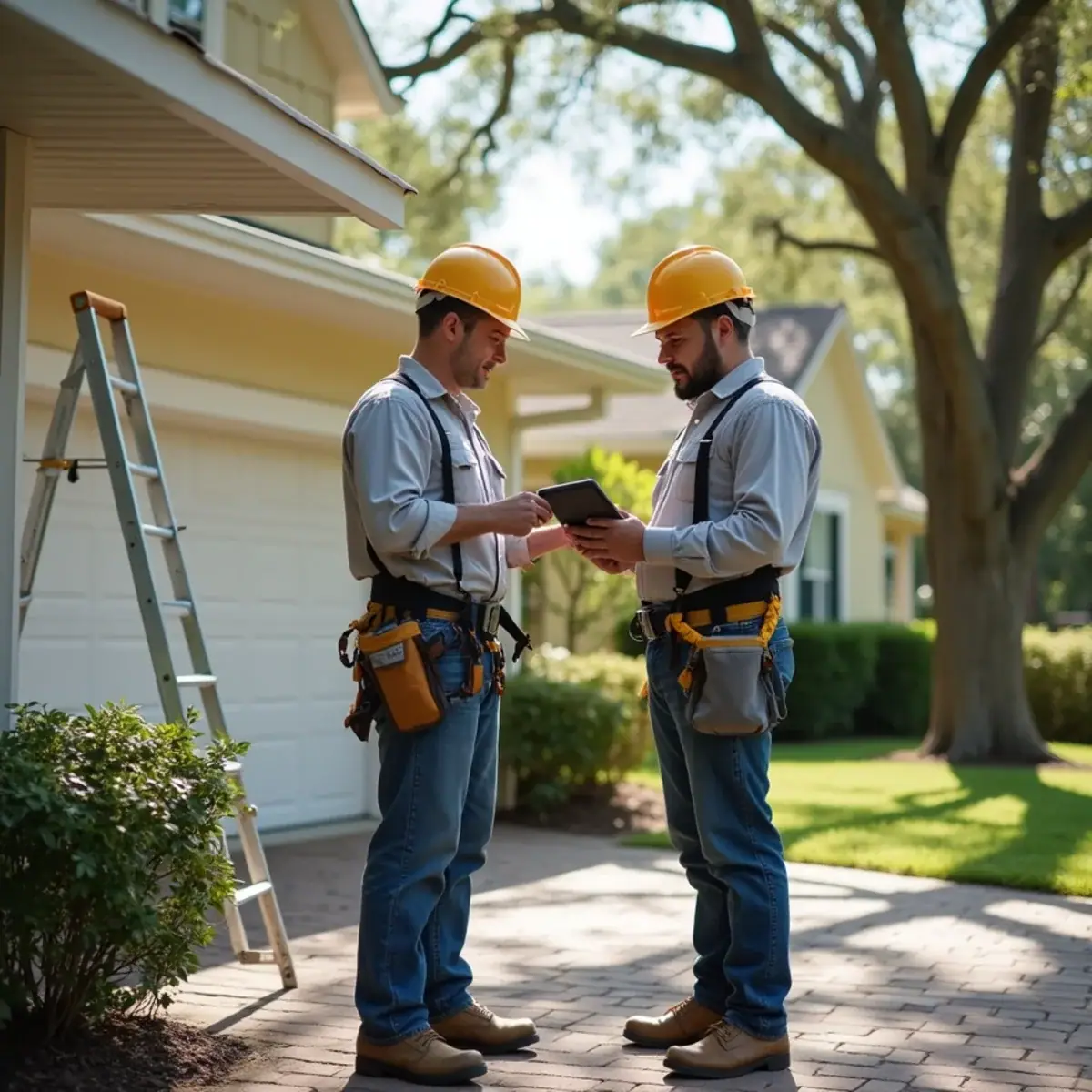
Answered 24 hours a day
Roofs fail at 2 a.m. during a squall line, not just during business hours. Our line is answered around the clock, every day of the year.
Licensed and insured, and you can check
Every roofer we send is licensed and insured in Florida. Ask for the license number and look it up yourself on the state's DBPR site before you sign anything.
A written price before work starts
No open-ended hourly work on your roof. You see the scope and the price in writing, with temporary protection listed separately from the permanent fix.
Repair first, when repair makes sense
A leak at one pipe boot doesn't need a new roof. You get an honest repair-or-replace answer based on what the roofer finds, with photos to back it up.
Local roof knowledge
Oak canopy, old tile underlayment, mid-century flat sections, historic-district streets, two counties' permit offices: the roofers we send work these roofs all the time.
Straight talk on insurance
We explain how roof-age letters, deductibles and Florida's 25% rule work, and the roofer documents what they find. Your coverage decisions stay between you and your insurer.
Central Florida weather
Why Winter Park's heat, rain and storms change roof risk
Winter Park roofs take a beating from more than storms. Central Florida's rainy season usually runs from late May into early October, and the sun, heat and humidity are at work the rest of the year. Here is what each one does to a roof:
- Heat and UV dry out shingles, sealants and rubber pipe boots until they crack.
- Heavy rain tests valleys, flashing, skylights and every other transition.
- Wind lifts shingles and shifts tile without leaving anything you can see from the ground.
- Humidity and poor attic ventilation keep the deck and attic damp and age materials faster.
- Tropical systems cause obvious damage on the day, plus leaks that only show up weeks later.
Florida wind ratings and reroof questions
Asphalt shingles sold for Florida roofs carry wind-resistance classifications: Class F is tested to 110 mph, Class G to 120 mph and Class H to 150 mph. Which one a roof needs depends on the home's design wind speed under the Florida Building Code, its exposure and its height, so no single rating fits every Winter Park house. Before a reroof or a large repair, ask the roofer:
- Which wind classification and fastening pattern apply to this roof?
- Is re-nailing the roof deck to current code part of the price?
- Are the underlayment and the secondary water barrier included?
- Does the job need a permit, and is a roof dry-in affidavit part of the city's process?
- Who schedules the inspections, and who gives me the permit closure paperwork?
A seasonal roof calendar for Winter Park homes
Before the rainy season (May)
Book an inspection for loose tile, cracked sealant, exposed underlayment and worn flashing. Clear gutters and valleys under the oaks if you can do it safely from a ladder.
After a storm
Walk the yard and photograph the roof from the ground. Report a new ceiling stain or missing shingles or tile promptly, even if the leak stops.
Through the hot months
Watch for recurring attic moisture, ceiling stains, brittle sealant around vents and cooling bills that jump for no clear reason.
Before you approve any work
Ask for photos of the finished repair, confirmation of cleanup, the permit status and any warranty paperwork in writing.
Upkeep can't stop every storm loss, but it catches small failures before the next heavy rain. Our hurricane season roof checklist goes further, and if a storm has already hit, start with storm damage roof repair.
Repair or replace? Decide from what the roofer finds
Most calls end in a repair, not a new roof. A targeted repair makes sense when the damage is in one area, the shingles or tile around it are still sound, matching material is available and the deck underneath isn't soft. Replacement deserves a real conversation when leaks keep coming back after repairs, the covering is brittle across the whole roof, the underlayment under tile has failed in several places, or an insurer won't renew without it.
Florida adds one wrinkle. Under the Florida Building Code, repairing more than 25% of a roof section within 12 months can require that whole section to be brought up to current code, unless the existing roof was built under the 2007 code or later. Our explainer on Florida's 25% roof rule walks through how that plays out on older Winter Park roofs, and the roof replacement page covers materials, permits and what the job looks like day by day.
Age alone shouldn't decide it. When both are technically reasonable, ask for a repair option and a replacement option in writing, with photos of the evidence behind each, so you can weigh what the repair buys you against the roof's remaining life.
What affects roof repair cost in Winter Park
No honest roofer quotes a repair over the phone without seeing the roof, and we don't publish prices that the roofer hasn't confirmed on site. What we can tell you is what moves the number:
- Roof material. Clay and concrete tile take more care to lift and reset than shingles; matching an older tile profile can take time.
- Pitch and access. Steep roofs, two-story eaves and tight lots under oaks take more setup and safety gear.
- What's under the surface. Soft decking, failed underlayment or rusted flashing found during the repair add to the scope.
- Permits and code. Some repairs and every reroof need a permit, and Florida code can require deck re-nailing or a secondary water barrier.
- Timing. Emergency tarping at night is a different job than a scheduled repair. Any after-hours charge is stated before work starts.
Our guide to what drives roof repair cost in Winter Park explains each of these, and how to compare two written quotes line by line.
Licenses, permits and paperwork you can check
Before anyone works on your roof, you should be able to check three things: the roofer's license, their insurance, and who is pulling the permit.
- License. Florida licenses roofing contractors through the Department of Business and Professional Regulation (DBPR). Ask for the license number and confirm it is active and matches the business name on the paperwork.
- Insurance. Ask for current liability coverage and workers' compensation (or a valid exemption) before work begins. Florida's licensing rules require roofing contractors to carry at least 100,000 dollars in public liability and 25,000 dollars in property damage coverage, so the certificate should show at least that.
- Permits. Inside city limits, roofing permits come from the City of Winter Park's Building and Permitting Services; unincorporated pockets nearby go through Orange County. Homes on the city's historic register may need review before the roof's look or material changes. The licensed roofer pulls the permit and schedules the inspections.
- Records. Keep the permit number, inspection results, any roof dry-in affidavit the city's process calls for, and the final permit closure with your roof paperwork. A buyer's inspector or your insurer may ask for them later.
Compare roof repair quotes line by line
The fairest comparison isn't the lowest total, it's the clearest scope. When the roof isn't actively leaking, get at least three written quotes for the same confirmed work and compare them line by line:
- Licensed company name, Florida license number, and proof of insurance and workers' compensation.
- Inspection findings with labeled photos, the confirmed leak source, and what wasn't opened or verified.
- Materials, quantities, the tile or shingle profile, the wind rating and the matching plan.
- Flashing, valleys, skylights, chimneys, underlayment, decking, ventilation and drainage.
- Who pulls the permit and handles inspections and closure.
- Emergency protection, drying, disposal, cleanup, final photos, warranty terms and payment milestones.
A low first number gets expensive when it leaves out decking, flashing, cleanup or the permit. Tie payments to documented progress, such as dry-in, final photos and permit closure, rather than paying the full balance up front.
Insurance paperwork worth keeping
Whether a policy pays for a roof repair depends on the cause of the damage, the policy's exclusions, the roof's maintenance history, your deductible and the adjuster's findings. Hurricane damage usually falls under a separate percentage deductible. The roofer can photograph and document what they find and write a scope, but an inspection doesn't guarantee coverage. Whether to file a claim is your decision, made with your agent. If you do, these records make it easier:
- The storm date, or the date you first noticed the damage.
- Photos and video of ceilings, the attic, the roof, fallen materials and standing water, taken before cleanup.
- The inspection report, labeled photos, the written scope and the temporary-protection invoice.
- Your policy's deductible and claim contact information.
- Questions for the adjuster about matching, code upgrades, decking, flashing, permits and drying.
- Final repair photos, permit records, the completion invoice and warranty documents.
Warranty and payment: get it in writing
- Workmanship coverage from the roofer and the manufacturer's material warranty are two different things. Get the length, exclusions and how to report a problem for each, in writing.
- Whether an inspection or diagnostic fee is charged, and whether it's credited toward approved work.
- The deposit amount and a payment schedule tied to finished stages of the job.
- How a change is approved if hidden decking or underlayment damage turns up mid-job.
- The final package: completion photos, cleanup, permit closure and warranty registration.
Service areas
Roofers for Winter Park and the cities around it
We cover Winter Park and a ring of about 25 minutes around it across Orange and Seminole counties.
Inside Winter Park, the roofers we send work from the shops and offices around Park Avenue and Central Park to Hannibal Square and the homes behind Winter Park Village. They also cover the historic districts, lakefront houses on Lake Osceola, Lake Virginia and Lake Maitland, and the streets around Rollins College, Full Sail University and Winter Park High School. Historic and custom homes often mean matching older tile and careful flashing work. Lakefront lots and mature oaks make limb damage, debris and drainage part of almost every inspection.
Reviews
Reviews from Winter Park homeowners
We're new here, and we won't post made-up testimonials.
Reviews from homeowners in Winter Park, Maitland and the nearby cities will appear here as jobs are finished. Until then, judge us on what you can check: a live answer at any hour, a roofer whose Florida license you can look up yourself, and a written price before any work starts.
Placeholder: real reviews coming soon · Zana Roofers
Roofing guides
Straight answers for Winter Park homeowners
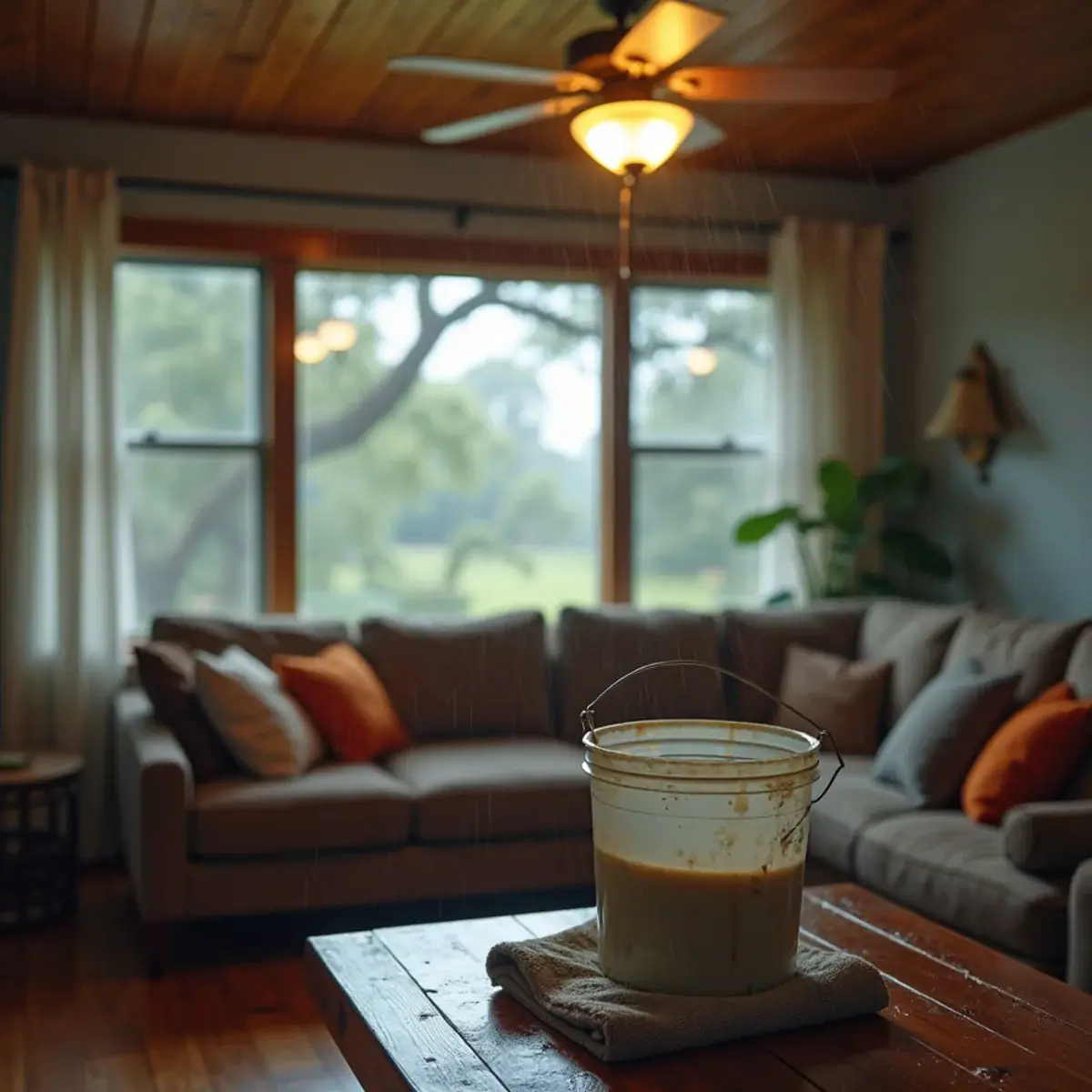
Roof Leaking During a Storm? What to Do Before the Roofer Arrives
Water coming through the ceiling mid-storm? Here is what to do in the first hour, what to leave alone, and what the roofer will handle once the weather allows.
Read the guide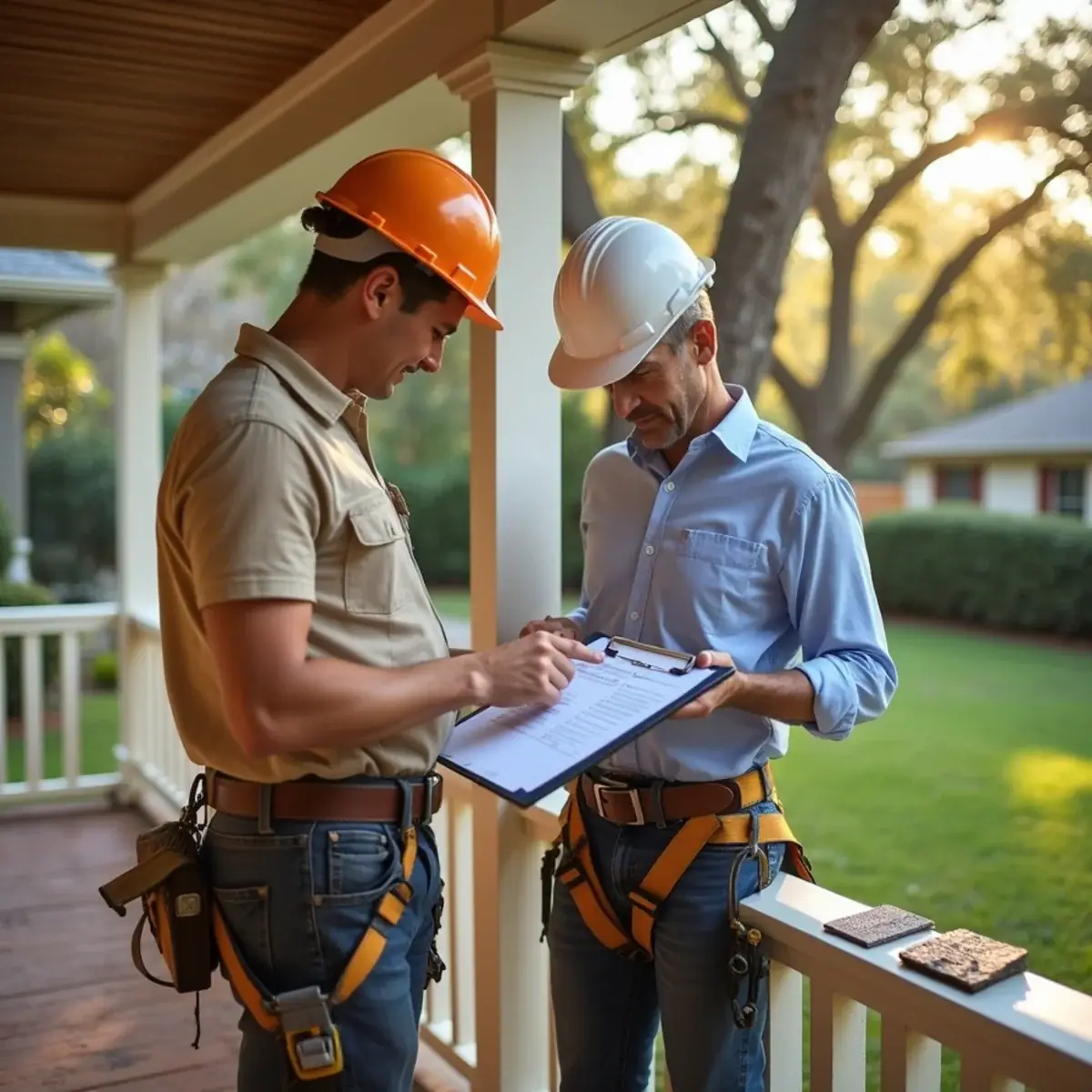
What Drives Roof Repair Cost in Winter Park, FL
Two roofers can look at the same leak and quote very different prices. Here is what actually drives roof repair cost in Winter Park, and how to compare written quotes.
Read the guide
Florida's 15-Year Roof Rule: What to Do When Your Insurer Sends a Roof Letter
A roof-age letter from your insurer is not the end of your policy. Here is how Florida's 15-year roof rule works and what Oviedo, Winter Springs and Winter Park homeowners can do next.
Read the guideContact
Serving Winter Park, FL 32789 and nearby
We don't run a storefront; we run a phone line that never closes and a network of licensed roofers who work these streets.
Zana Roofers
Serving Winter Park, FL 32789 and nearby areas
Open 24 hours, 7 days a week
Roof repair questions from Winter Park homeowners
Are you really available 24 hours a day in Winter Park?
Yes. Our phone line is answered 24 hours a day, 7 days a week, including weekends and holidays. When water is coming in, we send a licensed roofer as soon as it is safe to work on the roof. During lightning or high wind nobody should be up there, so the roofer may start with leak control from inside and tarp the roof as soon as the weather allows.
What should I do while I wait for the roofer?
Protect people and electrical fixtures first. Move everyone away from the wet area and any bulging ceiling, catch the water in buckets, and turn off power to any wet light or outlet at the breaker. Photograph the damage before cleanup, and stay off the roof. Our guide to a roof leaking during a storm covers each step.
Can a roofer fix the leak without replacing the whole roof?
Yes, in most cases. When the failure is in one area, such as a pipe boot, a valley, step flashing or a few slipped tiles, and the rest of the roof is sound, a targeted repair is the right call. Replacement is worth discussing when leaks keep returning, the covering is worn across the roof, or the underlayment under tile has failed in several places.
Do I need a permit for roof repair in Winter Park?
Often, yes. A full reroof always needs a permit, and many repairs do too, depending on the scope. Inside city limits the City of Winter Park's Building and Permitting Services issues roofing permits; unincorporated areas nearby go through Orange County. The licensed roofer pulls the permit and schedules inspections. Historic-register homes may need extra review before the roof material or look changes.
How do I check that a roofer is licensed in Florida?
Ask the roofer for their Florida license number, then look it up on the Department of Business and Professional Regulation (DBPR) license search. Confirm the license is active, that it is a roofing or certified contractor license, and that the name matches the business on your contract. Every roofer we send is licensed and insured in Florida, and you're welcome to check.
My insurer says my roof is too old. Do I need a new roof?
Not necessarily. Under Florida law, if your roof is 15 years or older your insurer must let you get an inspection, and if it shows at least five years of remaining useful life, the insurer can't refuse to write or renew the policy based on roof age alone. A roof inspection with photos and written findings is the usual first step. Confirm your insurer's exact requirements with your agent.
How much does roof repair cost in Winter Park?
It depends on what the roofer finds, so we don't quote prices over the phone. The biggest factors are the roof material, pitch and access, how far the damage reaches into flashing, underlayment or decking, whether a permit is needed, disposal, and whether the work is an after-hours emergency. The roofer gives you a written price before any work starts. Our guide to what drives roof repair cost explains each factor.
Does a ceiling stain show exactly where the roof is leaking?
No. Water often runs along the underlayment, decking, rafters or insulation for several feet before it drips through the ceiling. That's also why a small stain can mean a bigger problem: failed flashing or underlayment can wet a wide area before anything shows inside. Ask whether the inspection traced the actual entry point or only recorded where the stain is.
Is it safe to wait if the roof leak has stopped?
No. Many leaks only show up with rain from one direction or with wind behind it, so a dry ceiling today doesn't mean the roof is sealed. Wet insulation, drywall or framing can also stay damp and grow mold out of sight. Have the roof inspected, and ask for temporary protection if the permanent repair has to wait.
How quickly should a roof leak be checked after a storm?
As soon as you can, especially with active water, visible roof damage or a new ceiling stain. EPA guidance is to dry water-damaged materials within 24 to 48 hours to limit mold. If the permanent repair can't happen right away, ask for a tarp or other temporary protection so the house stops taking on water.
What should I photograph if I might file an insurance claim?
Once it's safe, photograph the ceilings, walls, floors, attic framing and any standing water, plus missing shingles, cracked or slipped tile, damaged flashing and fallen limbs, both close up and wide. Do this before cleanup and note the storm date. Keep the inspection report, written scope, invoices and final repair photos together.
Will homeowners insurance pay for my roof repair?
It depends on your policy. Coverage turns on the cause of the damage, exclusions, the roof's maintenance history, your deductible and the adjuster's findings. Sudden storm damage is treated differently from wear and tear. The roofer can document the damage and write a scope, but that isn't a coverage guarantee. Talk to your agent about your policy.
What should a written roof repair quote include?
The leak findings with photos, plus materials, labor, flashing, valleys, skylights, underlayment, decking and ventilation. It should also cover permits, disposal and cleanup, and list any temporary protection on its own line. Finally, look for the warranty terms, exclusions, how changes are approved, and the payment schedule. Compare quotes line by line, not just the totals.
What do Florida wind classifications F, G and H mean?
They are wind-resistance ratings for asphalt shingles: Class F is tested to 110 mph, Class G to 120 mph and Class H to 150 mph. The rating a reroof needs depends on the home's design wind speed under the Florida Building Code, its exposure and its height. Ask the roofer which applies, and how fastening and the secondary water barrier are handled.
Which roofing material is best for a Winter Park home?
It depends on the house. Architectural shingles suit most mid-century ranch homes and budgets. Clay or concrete tile fits Mediterranean-style and historic homes and lasts for decades if the underlayment is maintained. Standing-seam metal handles heat and wind well. Pitch, wind requirements, historic review and budget all matter, and our roof replacement page compares them.
Page last reviewed by Zana Roofers.
Answering 24/7
Roof trouble in Winter Park? Call first, it's the fastest way.
A real person picks up day or night. Tell us what you're seeing and we'll send a licensed roofer, who gives you a written price before any work starts.
Call (773) 207-0769- Open 24 hours, 7 days a week
- Every roofer we send is licensed and insured in Florida.
- Written price before work starts
Zana Roofers
Serving Winter Park, FL 32789 and nearby areas
Open 24 hours, 7 days a week
Not urgent? Send a request
For replacement estimates, inspections and repairs that can wait a day. For the fastest help, call (773) 207-0769.