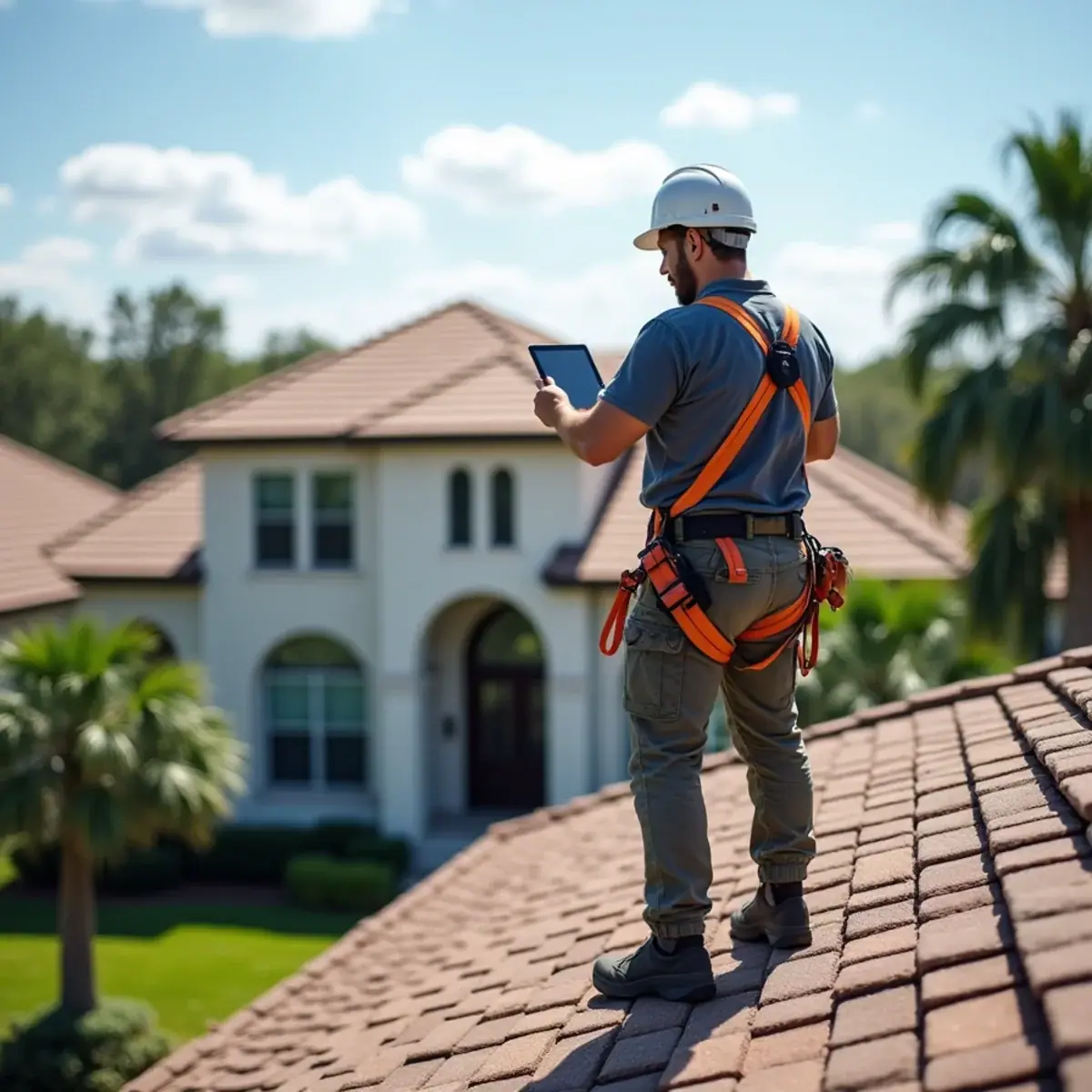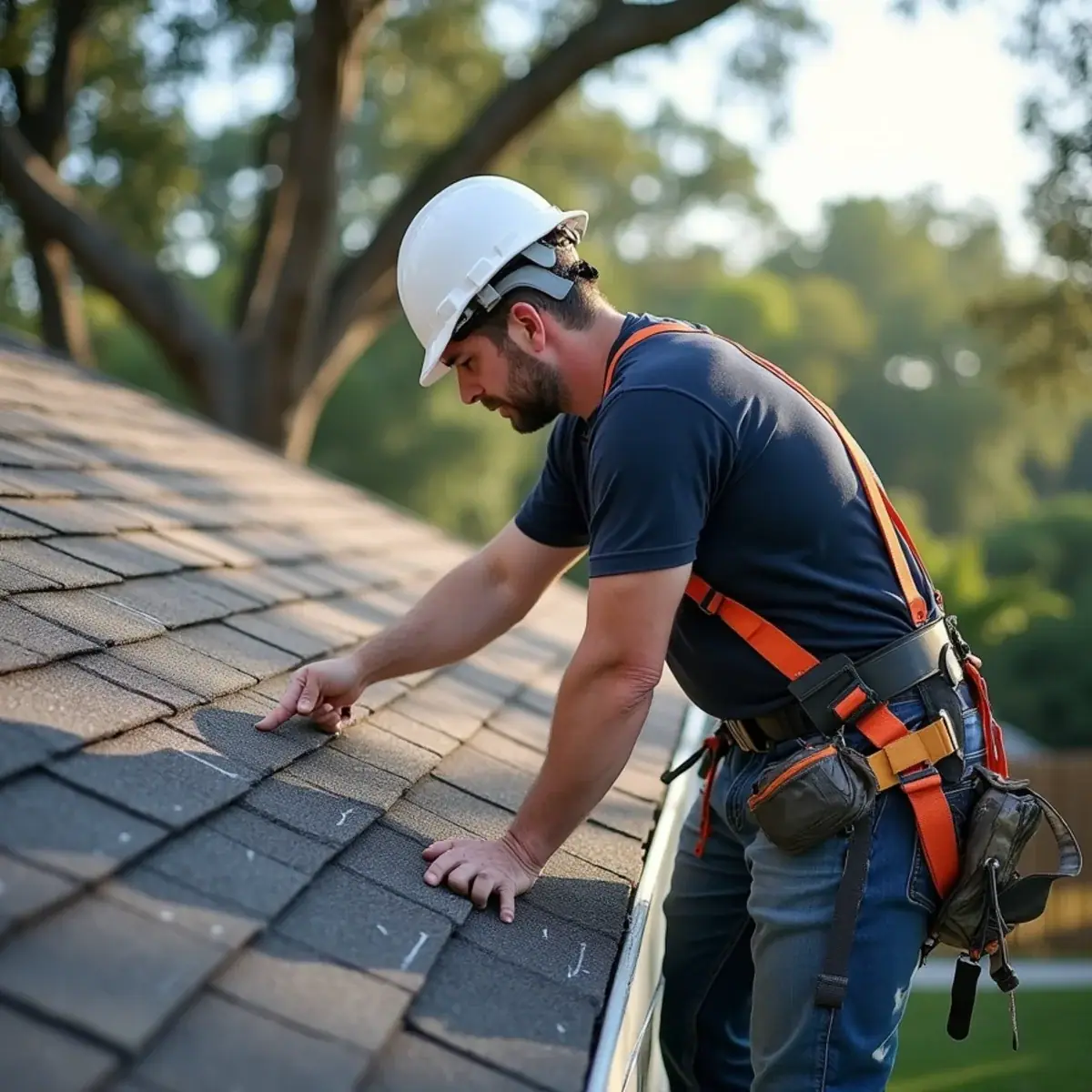
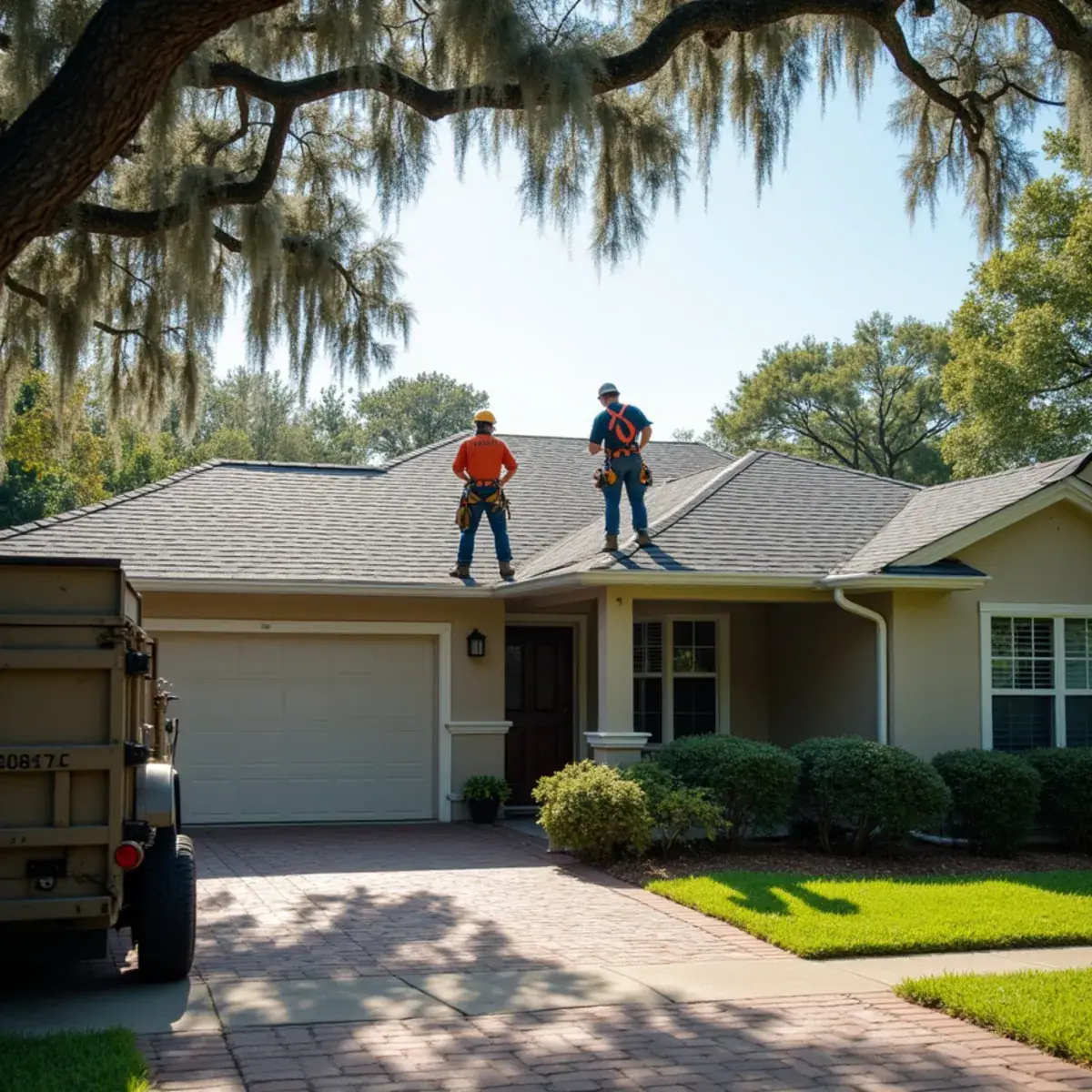
Roof replacement in Winter Park, FL is usually driven by one of two things: a roof that has simply worn out under the Central Florida sun, or a letter from an insurer asking about its age. Most homes here were built between 1950 and 1980, so many are on a third or fourth roof, and the next one has to meet a stricter Florida Building Code than the last.
We answer the phone 24/7 and send a licensed roofer to look at the whole roof, the deck underneath and the attic. You get a straight answer on whether repair still makes sense, which materials suit your house and your neighborhood's rules, what code and permits require, and a written price before work starts.
This page walks through the decision from the first warning signs to the final inspection, so you know what a proper reroof involves before you sign anything.
Signs a Winter Park roof is past repair
One leak at a pipe boot is a repair. A roof that leaks in a new place after every summer storm is telling you something else. Look for these signs:
- Shingles that curl, cup or crack when lifted, and heavy granule loss in the gutters or at the downspouts.
- Leaks in more than one area, or a leak that returns after a proper repair. Our roof leak repair page explains how a single leak is traced and fixed first.
- Soft or spongy spots underfoot, or daylight and wide stains on the deck seen from the attic.
- Tile roofs leaking with intact tiles, which means the underlayment has reached the end of its life.
- An insurance letter asking for an inspection, a roof certification or a replacement.
If you're unsure, a roof inspection with photos and written findings gives you the condition in writing before you commit to a new roof.
What a Winter Park roof replacement includes
A reroof price only means something when you know what it covers. These are the items a complete job should list in writing, so two quotes can be compared line by line.
- A full tear-off down to the deck, with every old layer removed and hauled away.
- A deck inspection, rotted boards replaced and the deck re-nailed where the existing nailing falls short of current Florida code.
- A secondary water barrier and new underlayment on most site-built homes, as Florida code requires on most reroofs.
- New drip edge, valley metal, wall and chimney flashing and pipe boots, rather than reused old metal.
- The permit pulled from the right office, plus the in-progress and final inspections.
- A written price that names the material and color and states how any extra decking is charged, before work starts.
- Photos of the bare deck and the finished roof, kept with the permit closure for your records.
Our roof replacement process, from first call to closed permit
The work on the roof itself takes days. The whole project, from deciding to reroof to filing the last piece of paper, takes longer, and each stage has something for you to check.
- Assess the whole roof, not one leakThe roofer walks every slope, checks the deck from the attic, counts the layers and looks at ventilation. You hear plainly whether the roof can still be repaired or whether replacement is the better use of your money.
- Pick the material and clear approvalsShingle, tile or metal is chosen with your house, budget and street in mind. HOA applications and any historic review on a registered Winter Park home go in now, before the permit, so the material doesn't change later.
- Get the scope and price in writingThe written price covers tear-off, decking, code upgrades, flashing, permit and disposal. Read how extra plywood is charged and what happens if rot turns up, then sign only when every line makes sense to you.
- Permit and Notice of CommencementThe roofer pulls the permit from the city or county office that covers your address. On most reroofs, Florida's construction lien law also calls for a Notice of Commencement, recorded with the county and posted at the house before the first inspection.
- Close out the paperworkOnce the final inspection passes, and before the last payment, ask the roofer and any supplier that sent you a Notice to Owner for a final release of lien. File it with the closed permit, the product approval numbers and the photos.
How long roofs last in Central Florida heat: shingle, tile and metal
Intense sun, humidity and summer storms age roofs faster here than in northern states. These are typical service lives in Central Florida, not fixed numbers; ventilation, installation quality, shade and storm history all move the number.
| Roof type | Typical lifespan | What usually fails first |
|---|---|---|
| 3-tab asphalt shingle | 12 to 18 years | Seal strips and tabs, then granules |
| Architectural shingle | 15 to 22 years | Flashings, pipe boots, granule loss |
| Concrete tile | Tile 40+ years; underlayment 20 to 25 years | Underlayment, valley metal, ridge mortar |
| Clay tile | Tile 50+ years; underlayment 20 to 30 years | Underlayment, broken tiles, flashings |
| Standing-seam metal | 40 to 50+ years | Sealants and fasteners at penetrations |
| Low-slope membrane | 10 to 20 years | Seams and the tie-in to the sloped roof |
Tile is the trap. The tiles may look new while the underlayment beneath them has dried out, so a 25-year-old tile roof often needs a tile roof underlayment replacement rather than new tile.
Insurance and roof age: non-renewal letters and the 15-year rule
Florida insurers look closely at insurance roof age, and many homeowners first hear about a reroof from a non-renewal notice or a request for a roof inspection. Florida law (section 627.7011) sets limits on that:
- An insurer may not refuse to write or renew a homeowners policy solely because the roof is less than 15 years old.
- For a roof 15 years or older, the insurer must let you have an inspection by an authorized inspector. If it shows at least five years of remaining useful life, the insurer may not refuse to write or renew solely because of roof age.
- Insurers can still require inspections, such as a 4-point inspection or a Citizens Roof Inspection form, and apply other underwriting rules.
A roof with real life left may only need an inspection report and a few repairs. A roof near the end of its life usually needs replacing either way. Our guide to Florida's 15-year roof rule covers the letter step by step. Confirm the details of your own policy with your agent.
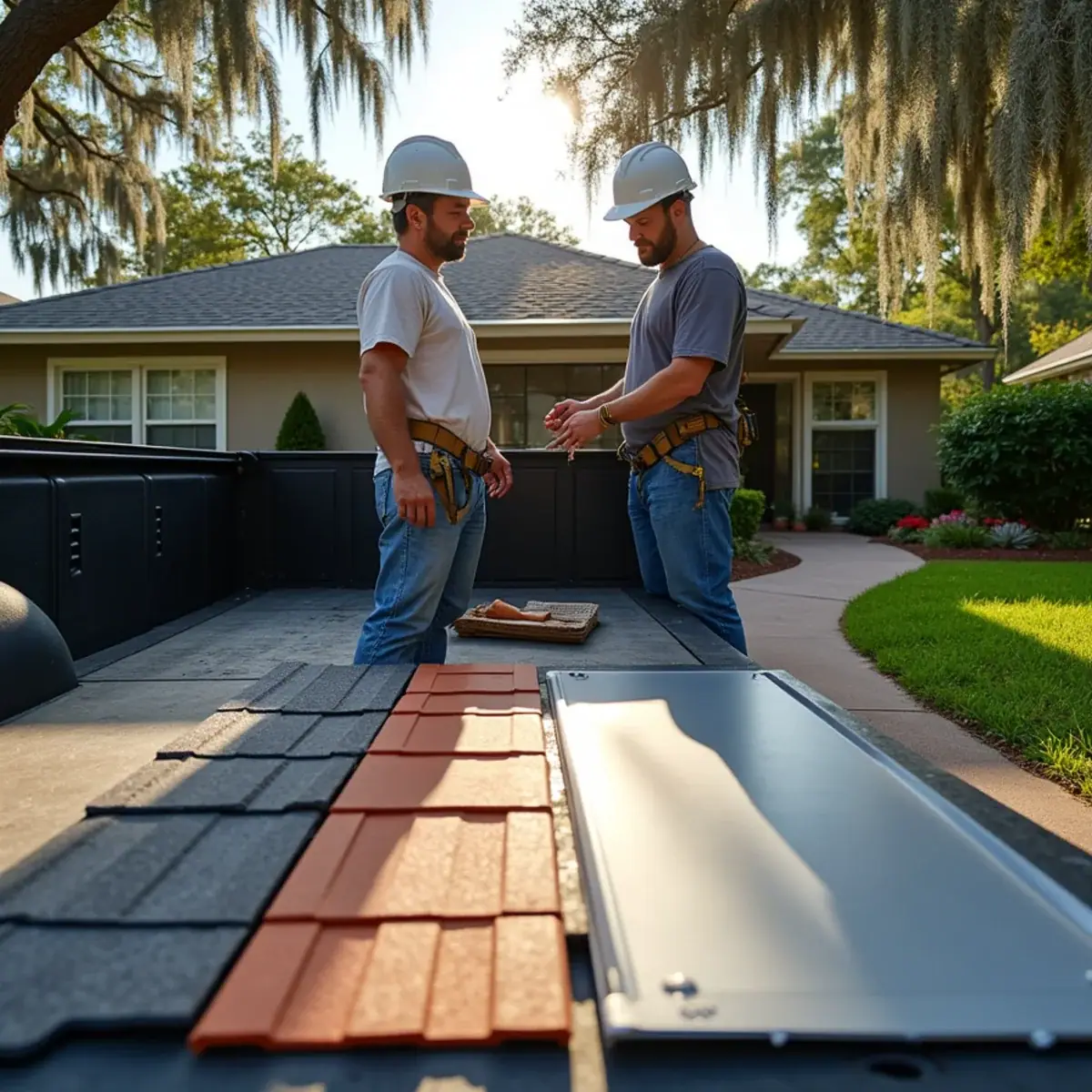
Choosing a material: architectural shingles, concrete or clay tile, standing-seam metal
Architectural shingles
The most common shingle roof replacement on Winter Park's mid-century ranch homes. Dimensional shingles carry higher wind ratings than old 3-tab shingles, install quickly and are the most budget-friendly choice. Under a heavy oak canopy, an algae-resistant shingle keeps the roof from streaking.
Concrete or clay tile
Tile suits the Mediterranean-revival and lakefront homes found around the Chain of Lakes and in neighboring Maitland. Clay barrel tile is the traditional look; concrete tile is heavier and less costly. A tile roof replacement on a house that never had tile may need an engineer's check of the framing first, because tile is far heavier than shingles.
Standing-seam metal roofing
Standing-seam metal roofing hides its fasteners, sheds oak leaves and rain quickly, reflects heat and lasts the longest of the three. It also costs the most to install and can change the look of a street, so HOA or historic review is more likely to apply.
What Florida code requires on a reroof: deck re-nailing and a secondary water barrier
A reroof in Florida is not just new shingles over old wood. The Florida Building Code adds hurricane upgrades whenever the old covering comes off:
- Deck re-nailing: Florida code requires the roof deck to be re-nailed to current fastening schedules on most reroofs where the existing nailing falls short. Older Winter Park homes often have deck boards held with smooth nails at wide spacing.
- Secondary water barrier: on most reroofs of site-built single-family homes, Florida code requires a secondary water barrier, such as a self-adhered membrane over the deck or taped deck seams under the underlayment, so the house stays drier if the covering blows off.
- Rotted decking is replaced, and new drip edge, valley metal and wall flashings go in.
Code also caps patching on old roofs: Florida's 25% rule can turn a big repair into a full section replacement. Read how it works in Florida's 25 percent roof rule explained. The roofer confirms which requirements apply to your house.
Permits and inspections in Winter Park, including historic-register homes
Almost every roof replacement needs a permit, and the licensed roofer pulls it. Which office issues it depends on where the house sits:
| Location | Permit office |
|---|---|
| Inside Winter Park city limits | City of Winter Park Building and Permitting Services |
| Unincorporated Orange County, including parts of Goldenrod | Orange County Division of Building Safety |
| Unincorporated Seminole County, including Fern Park | Seminole County Building Division |
| Maitland, Casselberry and other nearby cities | That city's own building department |
Expect an inspection during the job, typically once the deck is nailed or dried in, and a final inspection at the end. Homes on Winter Park's local historic register, such as some homes in the College Quarter, may need review by the Historic Preservation Board if the roof material or appearance changes. Confirm with the city's historic preservation staff before choosing materials.
The job day by day: tear-off, dry-in, installation, final inspection
- Before day one: the permit is issued, materials and a roll-off container arrive, and the crew protects landscaping, pool areas and attic belongings.
- Tear-off and deck repair: the old roof comes off one section at a time. The roofer checks the deck, replaces rotted boards and re-nails to code.
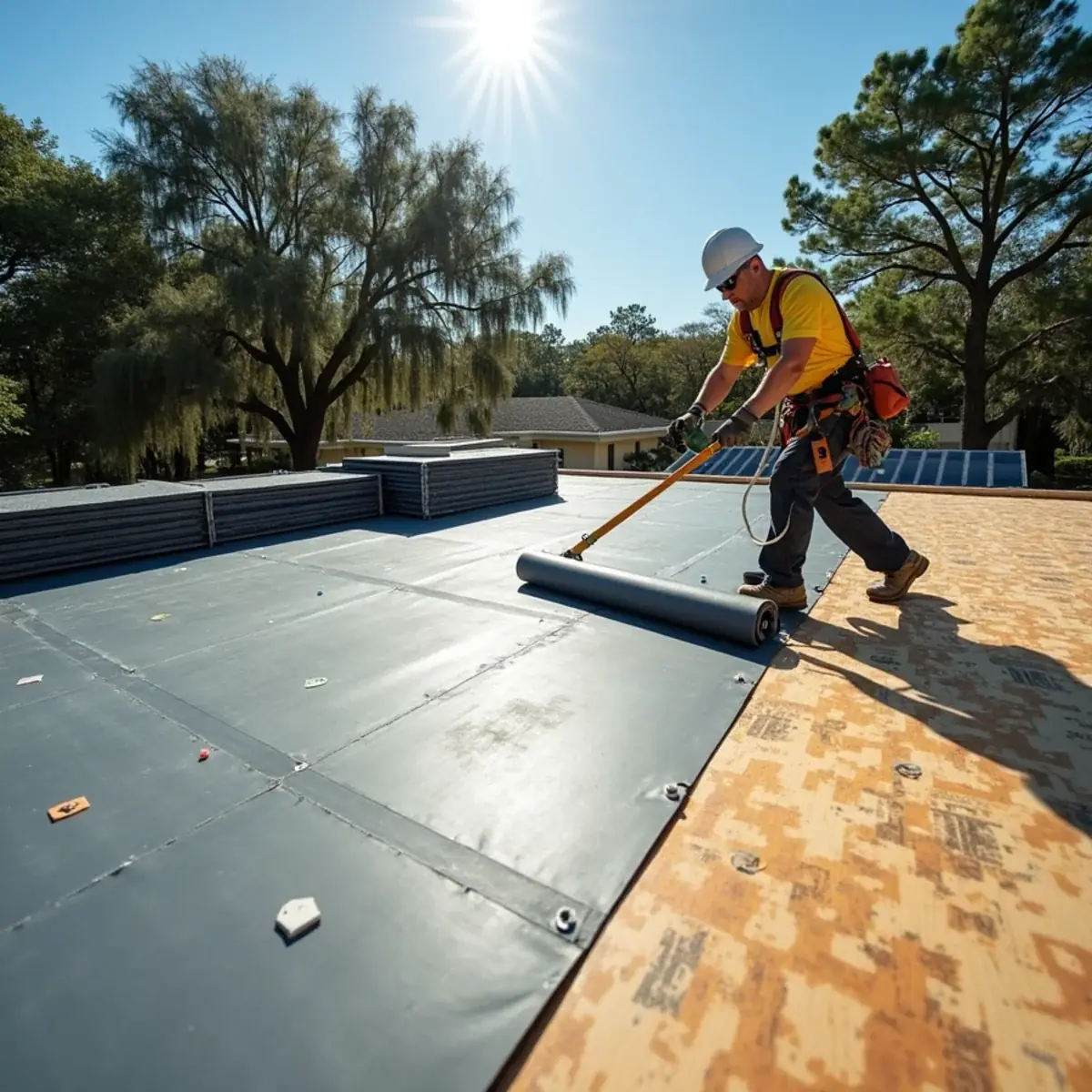
- Dry-in: the secondary water barrier and underlayment go down the same day. Summer crews start early to be dried in before the afternoon thunderstorms.
- Installation: drip edge, valley metal, flashings, boots and the new covering. A typical shingle roof takes a few days; tile and metal take longer.
- Cleanup and final inspection: debris is hauled off, the yard is swept with a magnet for nails, and the building inspector signs off.
Weather stops the work
No roofer works through lightning or high wind. If a storm rolls in mid-job, the open section is dried in or tarped and work resumes once it is safe.
What affects roof replacement cost
No two roofs are priced the same, and you get a written price before work starts. The main drivers of roof replacement cost:
- Material: shingle, concrete tile, clay tile or metal, and the profile and color chosen.
- Size and shape: hips, valleys, dormers and multiple levels add labor and flashing.
- Pitch and access: steep slopes, two-story walls, lakefront lots and overhanging oaks.
- Tear-off: how many layers come off and how heavy they are.
- Decking and code work: rotted boards replaced, re-nailing and the secondary water barrier.
- Permits, review and disposal: permit fees, any historic or HOA review, and dumpster hauling.
Older shingle roofs in Goldenrod and ranch homes with low-slope additions in Casselberry each bring their own mix of these factors, as do the other towns in our service areas around Winter Park. Every roofer we send is licensed and insured in Florida.
Why Winter Park homeowners call Zana Roofers for roof replacement
- A straight answer on repair versus replaceIf a few repairs will carry the roof several more years, the roofer says so and shows you the photos. A new roof is recommended when the deck, the covering or the underlayment says it is time, not because a sale is waiting.
- A scope you can hold other quotes againstThe written price arrives before any work starts and spells out tear-off, decking, code upgrades and permit. That makes it easy to see what a cheaper quote left out.
- Roofers who know both counties' permit officesWinter Park's Building and Permitting Services, Orange County, Seminole County and each nearby city run their own process. The roofers we send pull these permits regularly and know when a historic-register home needs review first.
- A license you can check before you signAsk the roofer for the Florida license number and look it up on the DBPR site. The license should be active and the name should match the contract you're about to sign.
Roof Replacement questions from Winter Park homeowners
How long does a shingle roof last in Winter Park?
Typically 15 to 22 years for architectural shingles and less for older 3-tab shingles. Strong sun, humidity and summer storms shorten that compared with northern states. A well-ventilated roof in partial shade lasts longer; one that took heavy wind or limb strikes may need replacing sooner. Insurers often start asking questions at 15 years regardless of how the roof looks.
Can my insurer drop me because my roof is more than 15 years old?
Not solely for its age if an inspection shows it has life left. Florida law requires insurers to let owners of roofs 15 years or older have an authorized inspection, and if it shows at least five years of remaining useful life, the insurer can't refuse to write or renew solely because of age. Other underwriting rules still apply, so check with your agent.
How long does a roof replacement take?
A typical shingle reroof on a Winter Park home takes a few days once the permit is issued and materials arrive. Tile and standing-seam metal take longer, often a week or more. Weather adds time: work stops for lightning and high wind, and summer crews plan around afternoon storms. The roofer gives you a schedule with the written price.
Can a new roof lower my wind insurance premium?
Often, yes. Florida insurers must offer wind mitigation credits, documented on the OIR-B1-1802 form. A new roof built to current code, with improved deck attachment and a secondary water barrier, can qualify for credits an older roof didn't. How much your premium changes depends on your insurer and policy, so ask your agent and get a wind mitigation inspection after the job.
Can a new roof go over my old one?
Usually not in Winter Park. Florida code doesn't allow a new covering over an existing tile roof, over a roof that already has two layers, or over one that is water-soaked or deteriorated. A full tear-off also lets the roofer inspect and re-nail the deck and add the secondary water barrier, which is what earns the code and insurance benefits.
What is the best time of year to replace a roof in Winter Park?
Late fall through spring, roughly November to May, is the easiest stretch. That is Central Florida's dry season, afternoon thunderstorms are rare and hurricane season ends on November 30. Summer reroofs still happen every week, with crews starting early to dry in before the storms. Starting the process before June leaves room for permits, HOA approval and material lead times.
Do I need to be home during a roof replacement?
No, not for the whole job, but stay reachable. Most homeowners are there for the first walk-through and the final look and stay away during tear-off, which is loud and shakes the walls. Before day one, take pictures and mirrors off top-floor walls, cover anything stored in the attic, move cars out of the driveway, keep pets inside and leave the gates unlocked.
Page reviewed by Zana Roofers.