Quick answer
Two facts decide it: how much of one roof section needs work within 12 months, and when the roof was permitted. Under 25%, you can repair. Over 25% on a roof built under the 2007 code or later, repair usually still works. Over 25% on an older roof, the section must meet current code.
The Florida 25 percent roof rule says that if more than 25% of a roof section is repaired, replaced or recovered within any 12-month period, that whole section has to be brought up to the current Florida Building Code. Since 2022 there is a major exception: if your existing roof was built, replaced or recovered under the 2007 Florida Building Code or later, only the part being repaired has to meet current code. So the answer to 'repair or replace' depends on how much is damaged and when your current roof went on.
For homes across Orange and Seminole County, that second question decides more cases than the first.
What the Florida 25 percent roof rule actually says
The rule lives in the existing-building part of the Florida Building Code. It does not say an insurer must pay for a new roof. It says that when the work on a roof section crosses the 25% line inside a 12-month window, the work on that section can no longer be a like-for-like patch. The section has to meet the code in force today.
What counts as a roof section
A section is not the same as one slope or one face of the roof. The code separates roof sections by things like expansion joints, parapet walls and flashing, so a simple hip roof might be one section while a house with a flat-roofed Florida room and a pitched main roof has at least two. The roofer measures, but the building official has the final word on how the sections are divided.
Why the 12-month window matters
The 25% is counted across any 12 months, not per job. A patch in March after a thunderstorm and another in August after a limb strike add together, and the permit history makes the total visible to the building department.
The 2022 change for roofs built under the 2007 code or later
In 2022 the Legislature passed SB 4-D, which added an exception to the rule (section 706.1.1 of the existing-building code). If the roof being repaired was built, replaced or recovered in compliance with the 2007 Florida Building Code or a later edition, only the repaired, replaced or recovered portion has to meet current code. The rest of the section can stay as it is, even when more than 25% is involved.
The practical effect is simple. Newer roofs can usually be repaired. Older roofs that cross the 25% line often cannot be patched and become a roof replacement for that section, and once a section is being redone to current code, many owners choose to replace the whole roof so it matches.
The date on the permit is what counts
The 2007 edition of the Florida Building Code did not take effect until 2009, so a roof installed in 2008 was built under the older code. The permit record for your last reroof shows which code applied. The roofer or the building department can look it up.
Repair or replace: how to tell which side of the line your roof is on
A few facts answer most of the repair-or-replace question before a roofer writes a scope.
- Find the date of your current roof. Check closing papers, an old inspection report or the permit search on your city or county building department website.
- Confirm the code edition. A roof permitted under the 2007 Florida Building Code or later usually qualifies for the exception.
- List every roof repair in the last 12 months, with dates and rough areas, including small ones done after summer storms.
- Ask the roofer to measure the damaged area by roof section, not as a share of the whole house.
- Ask what current code would require on that section: deck re-nailing and a secondary water barrier are required on most Florida reroofs; the roofer confirms what applies to your house.
| Your situation | What usually happens |
|---|---|
| Damage under 25% of the section, any roof age | Repair is normally allowed |
| Over 25% of a section, roof built under the 2007 code or later | Only the repaired area must meet current code; repair is normally allowed |
| Over 25% of a section, roof built before the 2007 code took effect | That section must be brought to current code, often meaning a reroof |
| Several small repairs that add up past 25% within 12 months | Treated the same as one large repair |
Mid-century Winter Park roofs vs 1980s and 1990s Winter Springs roofs
The age of the roof matters more than the age of the house, so two neighborhoods 20 minutes apart can land on opposite sides of the rule.
Winter Park: old houses, often on their third or fourth roof
Most Winter Park homes were built between 1950 and 1980, and many mid-century ranch homes in neighborhoods like Orwin Manor and Winter Park Pines have been reroofed several times. If the latest shingle roof went on in the last 15 years, it was very likely permitted under the 2007 code or later, and a large storm repair may still be just a repair. Tile roofs on Mediterranean-style and lakefront homes are a different story: many were laid decades ago and keep looking fine while the underlayment ages, so a big tile repair is more likely to trigger the full rule.
Winter Springs: 1975 to 1995 homes on a second roof
Winter Springs grew fast between 1970 and 1990, and much of the housing in Tuscawilla and along SR 434 is on its second roof and coming due for a third. A second roof put on in the late 1990s or early 2000s predates the 2007 code, so heavy wind damage on one of those roofs often means the section, and usually the whole roof, gets replaced. Our Winter Springs roof repair page covers what those second-generation roofs tend to need.
Who applies the rule in Orange and Seminole County
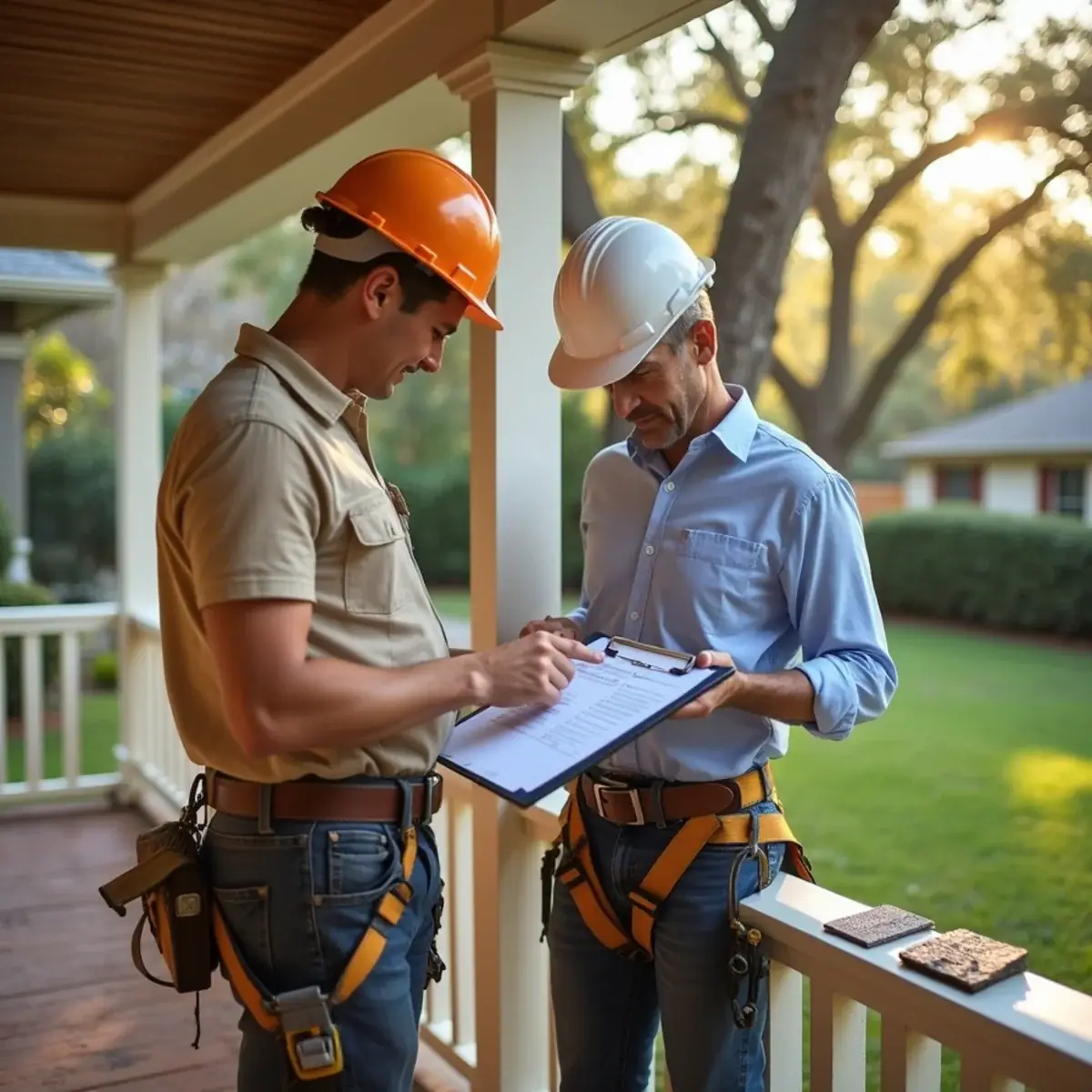
The 25% rule is enforced through the permit. The licensed roofer pulls the permit and describes the work, and the local building department reviews it and inspects. Most reroofs and many repairs need a permit. Which office handles yours depends on whether your address is inside a city or in unincorporated county land.
| Where the house is | Who issues the permit |
|---|---|
| Inside Winter Park city limits | City of Winter Park Building and Permitting Services |
| Maitland, Casselberry, Altamonte Springs, Oviedo, Winter Springs | That city's own building department |
| Unincorporated Orange County (including the Orange side of Goldenrod) | Orange County Division of Building Safety |
| Unincorporated Seminole County (Fern Park, the Seminole side of Goldenrod) | Seminole County Building Division |
A Winter Park mailing address does not guarantee a Winter Park permit. Parts of Goldenrod and other unincorporated pockets use Winter Park zip codes but fall under county building departments, so check your property record before assuming.
Storm damage and the 25 percent rule
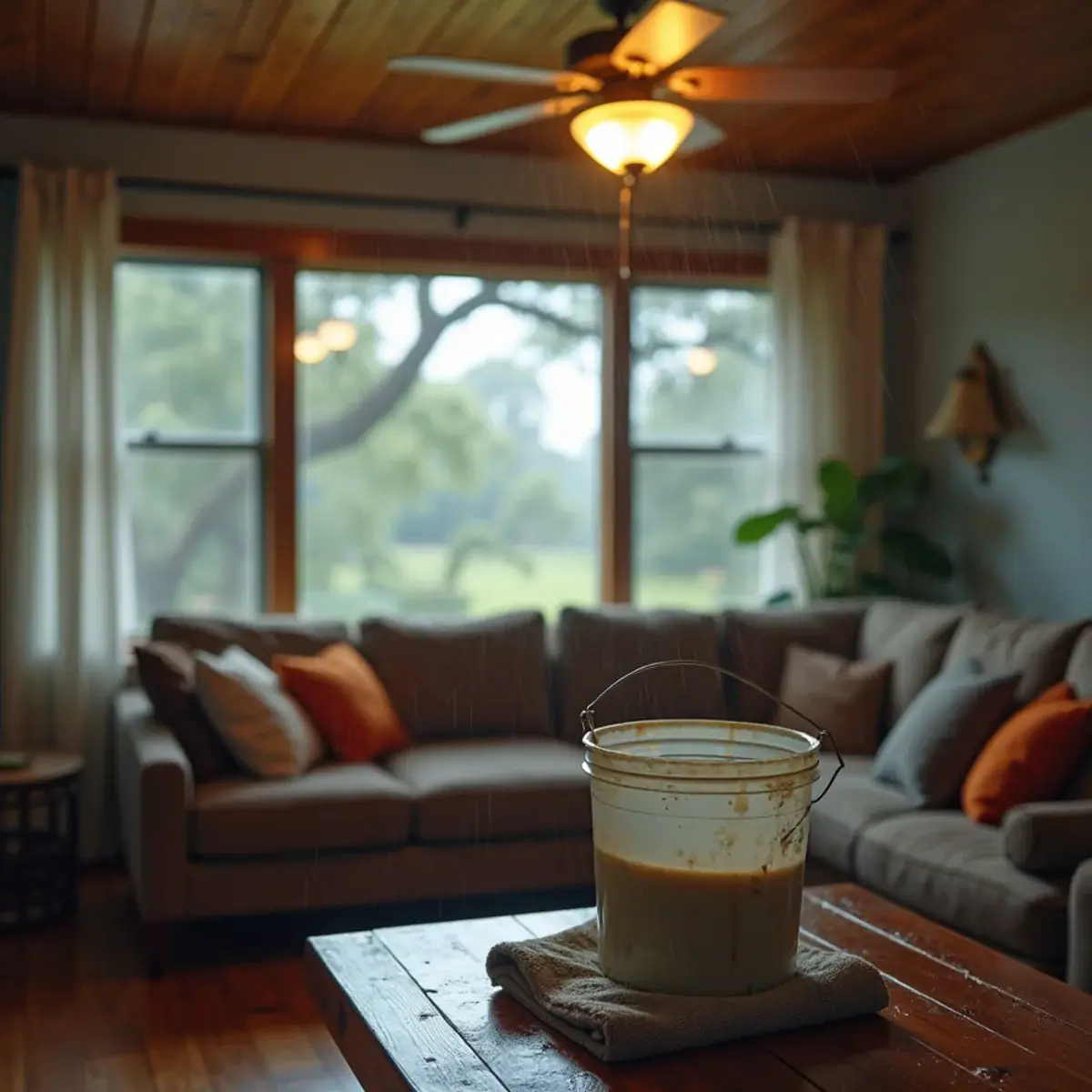
Most 25% questions start after a storm. Hurricane Irma in 2017 was a wind event, and Milton in 2024 brought heavy rain and broken limbs across the area. When wind takes a large share of a section, the roofer measures it, checks the roof's age and code edition, and tells you whether a code-compliant repair is possible. For the full process after a storm, see our guide to storm damage roof repair.
A typical Winter Springs call (illustrative example)
A 1988 home with a shingle roof put on around 2003 loses shingles across most of its rear slope in a summer storm. That slope is one section, and the damage is well past 25% of it. Because the roof predates the 2007 code, the section must meet current code, which means tear-off, deck re-nailing and a secondary water barrier. Matching new shingles to a 20-plus-year-old roof is rarely clean, so the owner weighs a full reroof against a one-section job.
What the rule does and does not mean for insurance
The 25% rule is a building code rule, not an insurance rule. Whether a policy pays for code upgrades depends on its law and ordinance coverage, its roof payment terms and its deductible. Roof age also affects insurability on its own; our post on Florida's 15-year roof rule explains that side. Read your policy and talk to your agent before deciding how to pay for work the code requires.
From the roof: how a roofer works out the 25% number
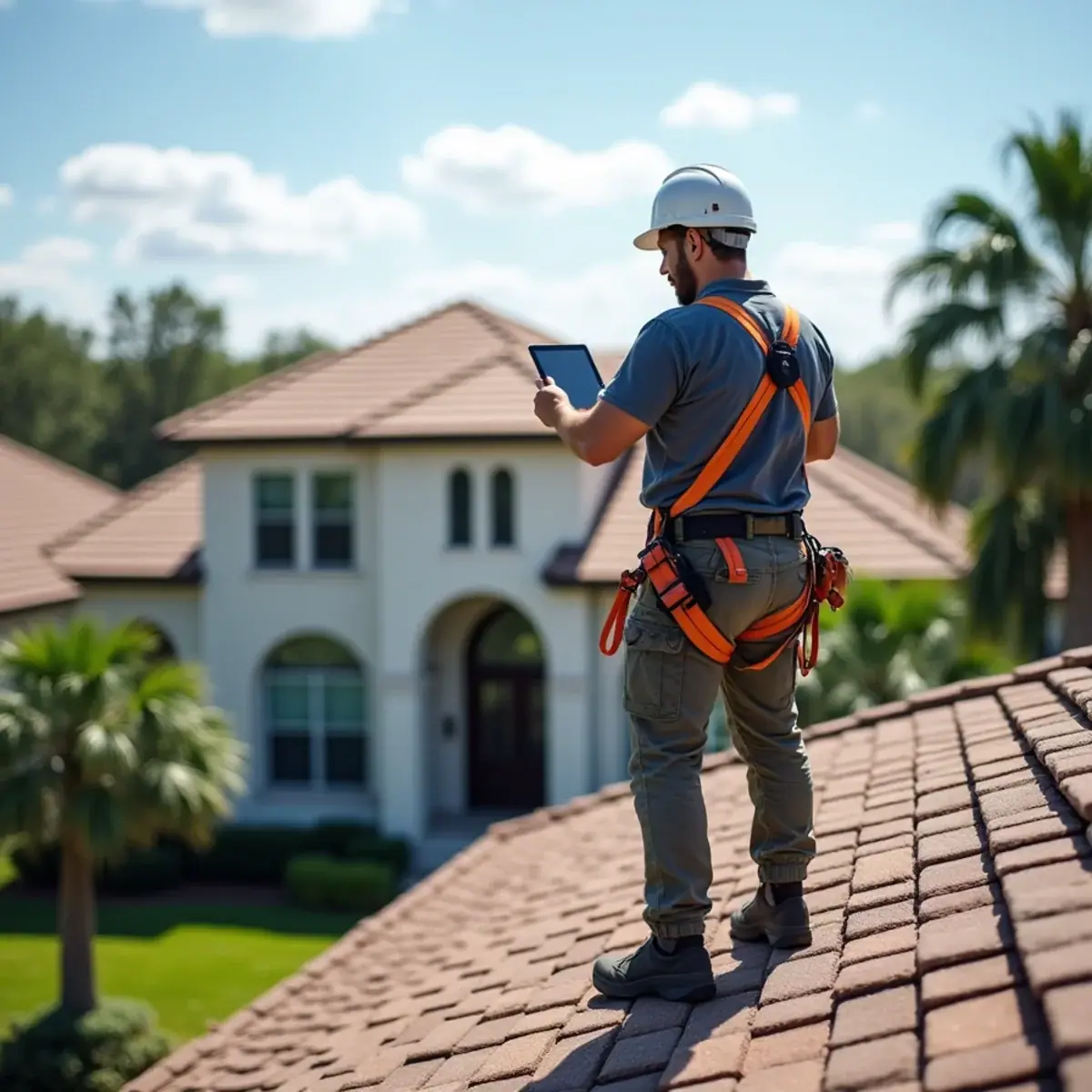
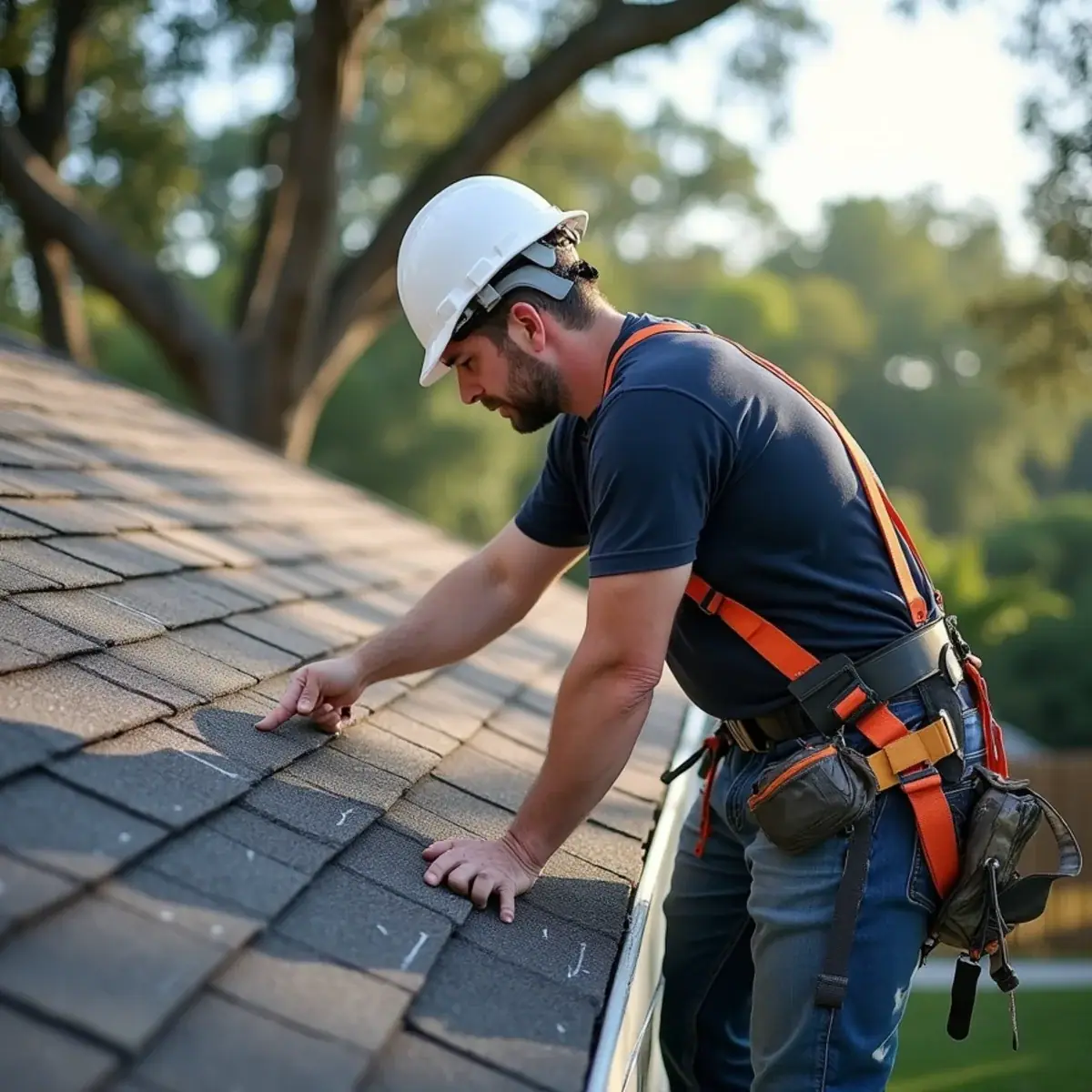
The percentage is not a guess made from the driveway. A careful roofer sketches the roof, splits it into sections the way a building official would, and measures the damaged area on each one separately. A house with a hip roof over the main block, a gable over the garage and a flat porch roof is three separate calculations, not one.
What the roofer asks before measuring
- Every repair in the past year, with dates, because earlier patches count toward the same 12-month total.
- The permit record for the last reroof, which shows whether the 2007-code exception is even on the table.
- Any unpermitted work. Repairs that never had a permit can be hard to prove either way and are worth mentioning up front.
When the number lands close to the line
Borderline cases are where honesty matters most. Shrinking a scope on paper to stay under 25% can leave damaged roofing in place, and on an older roof the number often grows once work starts: brittle shingles crack around the repair, and rotted decking turns up under the tear-off. A good written scope says what happens if that pushes the section over the line.
There is also the question of looks. A large patch on a 20-year-old roof rarely matches in color or profile, so even when a repair is legal, some owners choose to reroof the section or the whole roof. That is a choice, not a code requirement, and the roofer should present it that way.
Quick answers
Does Florida's 25 percent rule mean I get a new roof?
No. The rule only says a roof section with more than 25% repaired, replaced or recovered within 12 months must meet current code, and since 2022 roofs built under the 2007 Florida Building Code or later only need the repaired part brought up to code. It says nothing about who pays. Coverage depends on your policy, so read it and talk to your agent.
How do I find out what year my roof was permitted?
Search your address on the permit portal of the building department that covers your home: the City of Winter Park, your own city if you live in Maitland, Casselberry, Altamonte Springs, Oviedo or Winter Springs, or Orange or Seminole County for unincorporated addresses. Closing documents and past inspection reports often list the reroof date too.
Does the 25 percent rule apply to tile roofs?
Yes. The rule covers any roof covering, including clay and concrete tile. Older tile roofs are often the ones that trigger it, because the tile outlasts the underlayment and a large repair exposes an aging system underneath. If the tile roof was installed under the 2007 code or later, the exception usually limits code work to the repaired area.
Did Florida get rid of the 25 percent roof rule in 2022?
No, it was narrowed, not repealed. SB 4-D added an exception in 2022: if the existing roof was built, replaced or recovered under the 2007 Florida Building Code or later, only the repaired portion must meet current code. Roofs that predate that code still follow the original rule, so a section with more than 25% redone in 12 months must be brought up to current code.
Where the 25 percent rule leaves your repair decision
Before anyone says repair or replace, pin down the facts: the date and code edition of your current roof, every repair in the past 12 months, and the damaged area measured by section. On a roof permitted under the 2007 code or later, most damage can still be repaired. On an older roof past the line, plan for that section to meet current code. A roof inspection that measures damage by section gives you those numbers in writing before you commit.