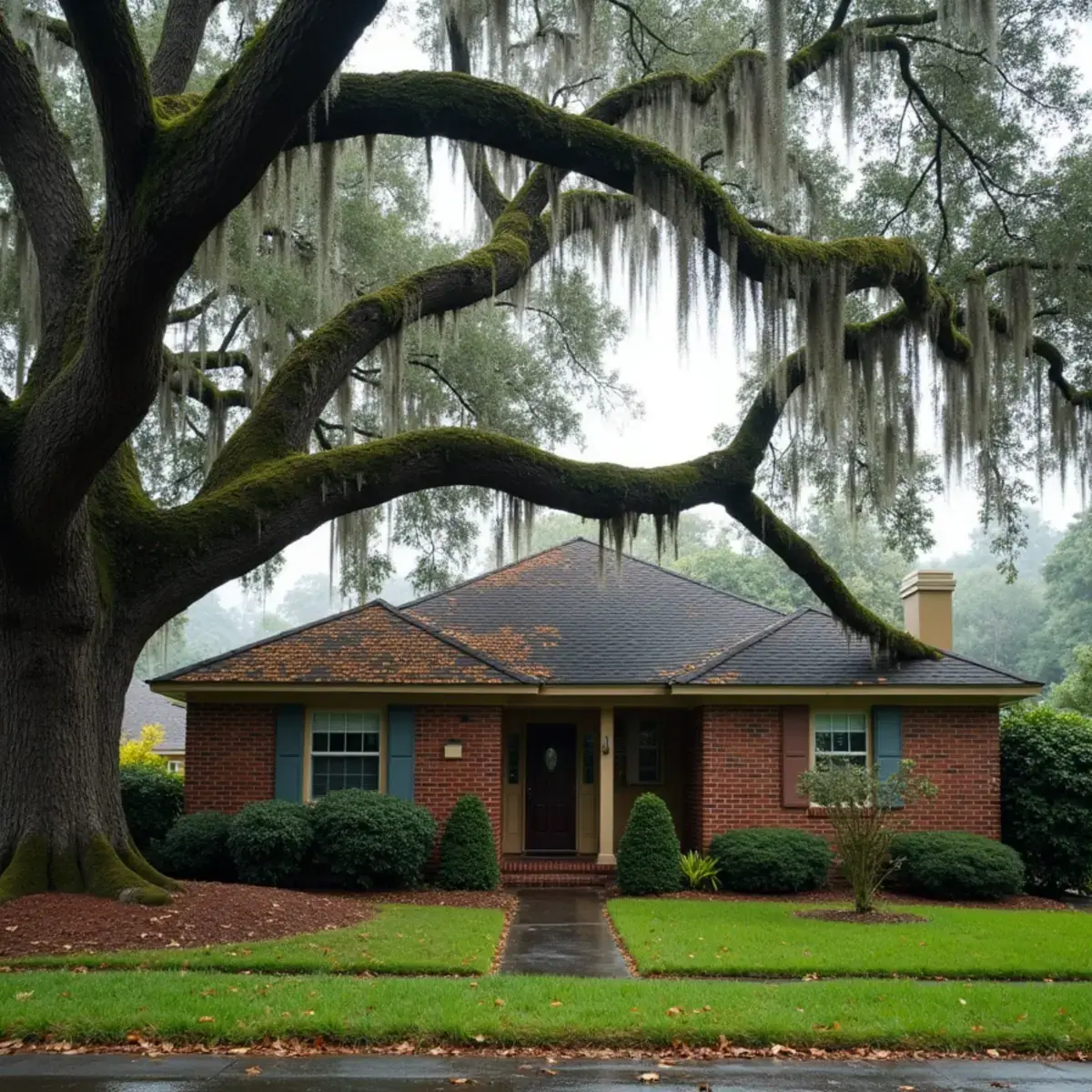
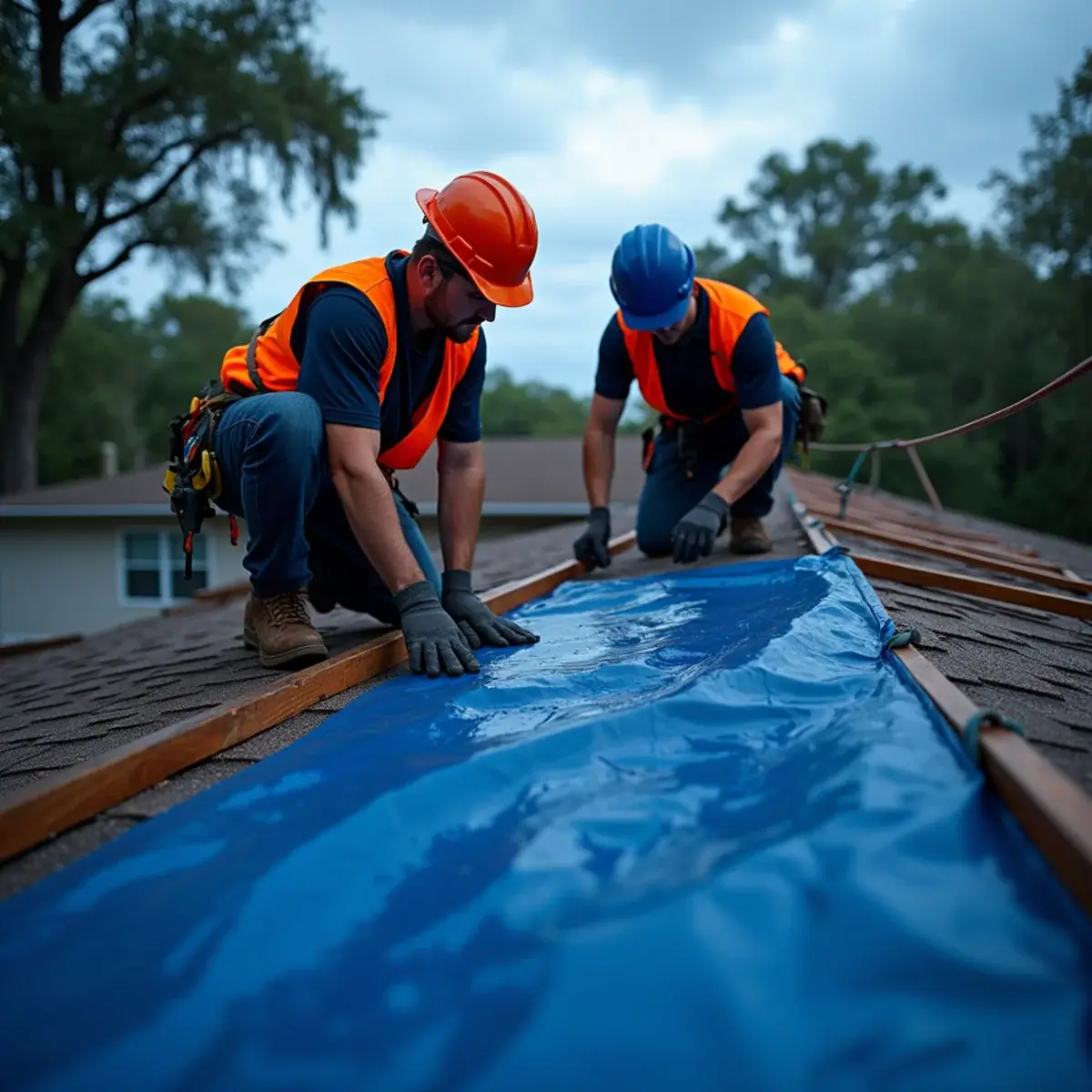
If water is coming through your ceiling or a tree is on your roof, call (773) 207-0769: a live person answers 24 hours a day, and we send a licensed roofer to your home as soon as it is safe to work. Emergency roof repair in Winter Park, FL has one first job, stopping the water, and a second one, making a proper repair once the weather allows.
In practice, 24/7 means someone picks up at 2 a.m. on a Sunday, takes the details and lines up a roofer. It does not mean anyone climbs a roof in lightning, and we don't promise an arrival time that weather and call volume control.
What counts as a roofing emergency
A roofing emergency is anything letting water or weather into the house right now, or anything that could hurt someone. A missing shingle on a dry week can usually wait for a scheduled roof leak repair. Water dripping onto a bed or into a light fixture cannot.
- Water actively coming through a ceiling, wall or light fixture
- A tree or large limb on the roof or through it
- A hole or open area in the roof deck
- A ceiling sagging or bulging with trapped water
- Large sections of shingles, tile or flashing gone with more rain coming
- Water near the electrical panel, outlets or wiring
Not sure? Call anyway, and you'll hear plainly whether it needs a roofer tonight or a visit in the morning.
What an emergency roof repair call includes
An emergency visit has a narrow job: stop the water, make the roof safe and record what happened. Here is what that covers, and what it leaves for the permanent repair.
- A safety look at the roof and the attic before anyone climbs, including sagging deck or cracked framing around a tree strike.
- Leak control from inside the attic, where safe, while lightning or wind keeps the roofer off the roof.
- Plywood over any open hole in the deck, so the tarp can't sag into it and hold water.
- A heavy-duty tarp run over the ridge and fastened with battens, or held with sandbags on tile that can't take fasteners.
- Loose shingles, tile and flashing secured so the next gust doesn't strip more.
- Dated before-and-after photos and a written note of what was done and why.
- An invoice that lists the emergency work and any after-hours charge on its own, separate from the permanent repair.
From the first call to the permanent fix: the emergency repair process
Most of these steps have their own section further down this page. This is the order they happen in, so you know which stage you are in and what comes next.
- Make the room safeCut power to wet fixtures at the breaker, catch the water and keep people away from a bulging ceiling. Stay off the roof. The checklist under "Before the roofer arrives" walks through each step.
- Call and get in lineA person answers, asks what is happening and where, and lines up a roofer. After a big storm, open roofs and water in living space go first, as the priority table near the bottom of the page explains.
- Stop the water once it is safeWhen lightning and high wind have passed, the roofer covers the opening with plywood, a battened tarp or a temporary membrane. The price for that work, including any after-hours charge, comes before it starts.
- Start drying the insideWet insulation, drywall and flooring need to start drying within a day or two, or mold can follow in Central Florida heat. That is a separate trade from the roof, so call a drying company the same day.
- Plan the permanent repairOnce the weather settles, the roofer comes back to scope the real fix: decking, flashing, shingle or tile, or replacement if the damage is wide. You get that price in writing before the tarp comes off.
Emergencies we handle: active leaks, tree strikes, blown-off shingles or tiles, punctures, sagging ceilings
Emergency roof leak repair
Most calls are active leaks during an afternoon thunderstorm. The roofer finds where water enters, often well uphill of the drip inside, and seals or covers it. On older Winter Park homes the usual suspects are leaf-packed valleys, cracked pipe boots and worn wall flashing.
A tree fell on the roof
Under the city's oak canopy, fallen limbs are a common after-hours call. When a tree is through the roof, a tree crew takes the weight off first; the roofer then covers the opening and checks the framing. See storm damage roof repair for the full repair afterward.
Blown-off shingles, tiles and punctures
Wind strips shingles, lifts tile and drives debris through the deck. The roofer covers what is open, secures loose pieces and photographs it all.
Sagging ceilings
A bulging ceiling means water is pooling on the drywall. Deal with it before the roofer arrives, as described next.
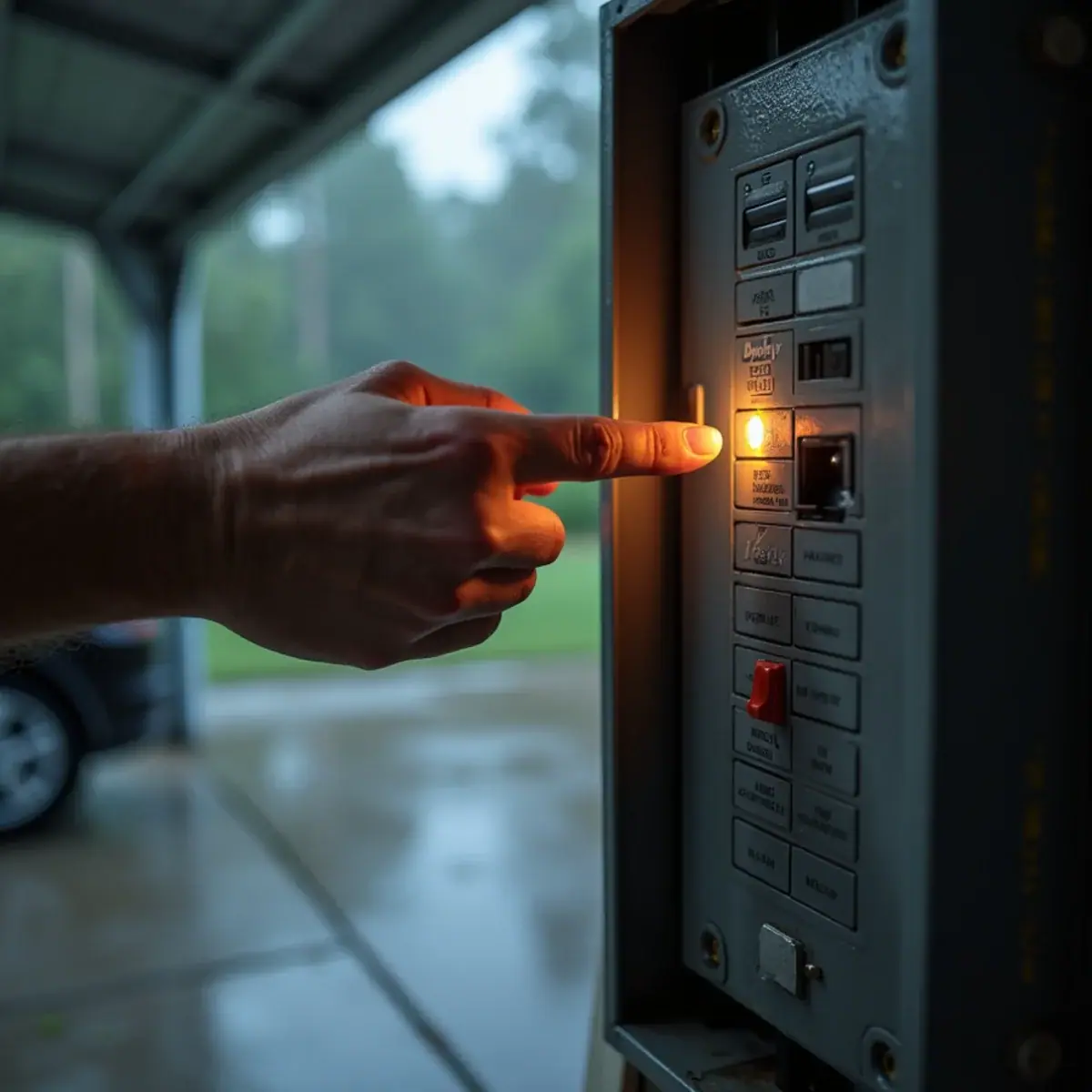
Before the roofer arrives: catch the water, relieve a bulging ceiling, cut power to wet fixtures, stay off the roof
- Cut power to anything wet. If water is near a light, ceiling fan or outlet, switch off that circuit at the breaker panel. If the panel itself is wet, stay away from it and call the power company.
- Catch the water. Buckets and towels under every drip; move furniture, rugs and electronics.
- Relieve a bulging ceiling carefully. Set a bucket under the lowest point, stand to one side and poke a small hole with a screwdriver so water drains in a controlled stream instead of bringing the drywall down. If it looks ready to fall, keep everyone out of the room.
- Take photos of ceilings, floors and wet belongings before you clean up.
- Stay off the roof. Wet roofing is slick and storm damage can hide weak decking.
- Clear a path. Unlock the gate and move cars so a ladder can reach the damaged side.
Our post on what to do when your roof is leaking during a storm has more on protecting rooms and belongings.
Emergency tarping and temporary dry-in: how it is done and how long it holds
Emergency roof tarping keeps a damaged roof dry until the permanent repair. Done properly, it is more than a sheet weighed down with bricks.
- The roofer clears loose debris and checks the decking. A hole in the deck may get a piece of plywood first so the tarp doesn't sag into the opening and pond.
- A heavy-duty tarp is sized to cover the damage with generous overlap. Where possible it runs up and over the ridge, so water sheds down the far slope instead of running in under the top edge.
- Wood battens are screwed or nailed along the edges through the tarp. They spread the load so wind can't tear the tarp at its grommets.
- Where fastening into the roof isn't practical, as on some tile roofs, sandbags hold the edges down instead.
- The roofer photographs the roof before and after and notes what was done.
A well-installed tarp typically holds for weeks, not months. Florida sun breaks the material down and afternoon storms keep testing the edges. Check it from the ground after every heavy rain, and if a corner is flapping, call before it lets go.
Once the weather clears, a temporary dry-in with self-adhered membrane holds better than a tarp but is still temporary.
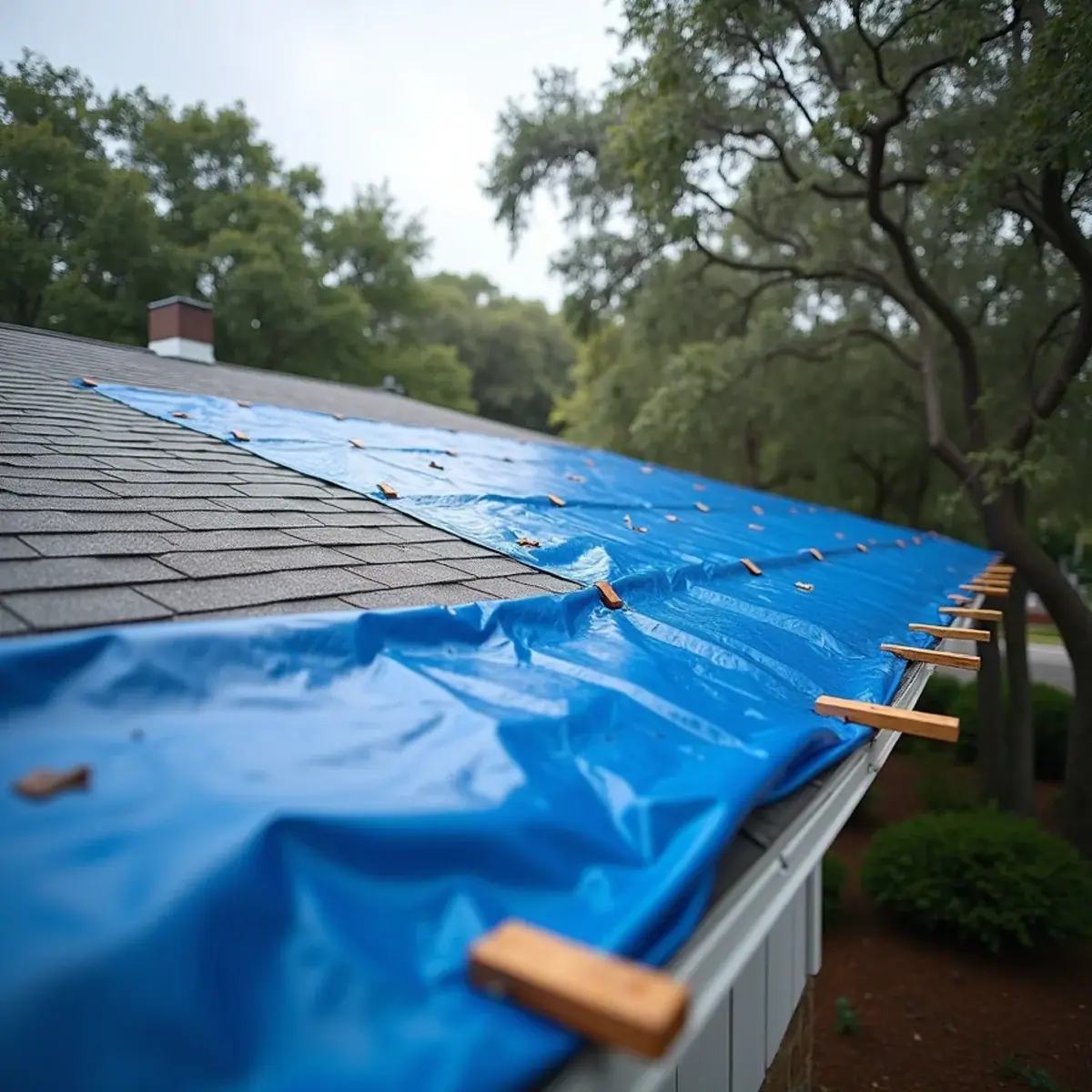
What a roofer can and cannot do while lightning and high wind are overhead
Nobody should be on a roof during lightning or in high wind, and the roofer we send will not go up until both have passed. A tarp can't be controlled in strong gusts anyway: it turns into a sail.
What still happens while the storm is overhead:
- Your call is answered and a roofer is lined up for when the storm moves off.
- Where it is safe, a roofer may work from the attic or inside the house to trace the water and slow it down.
- Over the phone, we can walk you through protecting the room and shutting off power to wet fixtures.
Summer thunderstorms usually pass in an hour or two. In a tropical storm or hurricane, the wait lasts until the wind drops, which can mean the next morning.
How 24/7 dispatch works: live answer, nearest roofer, price before work
- Live answer. A person picks up and asks where the water is, whether a tree is involved, the roof type and the address.
- Nearest available roofer. We reach a roofer who can get to you, whether you are near Park Avenue or in Maitland, Goldenrod or Casselberry; the full list is on our service areas page. Every roofer we send is licensed and insured in Florida.
- Honest timing. You are told when the roofer expects to arrive, based on weather and distance. We don't promise a fixed arrival time.
- Price before work. The roofer looks at the damage and tells you what the emergency work will cost, including any after-hours charge, before starting. You decide whether to go ahead.
- Emergency fix, then a plan. The roofer tarps or seals the area and explains what the permanent repair involves.
After the emergency: permanent repair, photos and your insurance paperwork
The tarp is not the repair. Once the weather settles, the roofer returns for the permanent fix: decking, shingles or tile, flashing, or, if damage is extensive, a talk about whether Florida's 25% rule means the section must be replaced to current code. A follow-up roof inspection confirms nothing was missed.
Keep the photos and written description of the emergency work. Whether to file a claim is your decision, but most policies expect reasonable steps to prevent further damage, and dated photos and an invoice show what was done and when. Keep tarp, tree and cleanup receipts together, and ask your agent what your policy covers.
Your deductible is yours to pay. Florida law bars contractors from paying, waiving or rebating it.
Hurricane and summer-storm surges: how calls are prioritized
After a hurricane or a line of severe storms, many homes across Orange and Seminole counties need help at once. Every call is answered, but roofers go to the worst problems first.
| Priority | Situation | Why it goes in this order |
|---|---|---|
| First | Water actively entering living space, open holes and structural damage such as a tree through the roof | Damage is getting worse by the hour and people may be at risk |
| Second | Tarps for missing shingles, tile or flashing with no water inside yet | Keeps the next rain from turning it into a first-priority call |
| Third | Inspections and repairs on roofs with no active leak | Can wait a few days without further damage |
If a slow drip turns into a stream while you wait, call back. Your place in line moves with the situation.
Why Winter Park homeowners call Zana Roofers for emergency roof repair
- Someone picks up during the stormOur phone is answered 24/7, including holidays and the night a hurricane band comes through. You talk to a person who takes the details and lines up a roofer, not a voicemail box you hope gets checked.
- No surprise bill for the tarpThe roofer states the emergency price, after-hours charge included, before any work starts. Temporary protection and the permanent repair are priced separately, so each one stands on its own.
- A tarp first, not a new-roof pitchA storm night is the wrong time to sell anyone a roof. The roofer stops the water, and later recommends a repair when a repair is enough, with photos showing why.
- Roofers who know storm nights hereOak limbs through shingle roofs, slipped tile that needs sandbags instead of screws, and flat porch roofs torn at the tie-in are the emergencies the roofers we send handle after Central Florida storms.
Emergency Roof Repair questions from Winter Park homeowners
Are you really available 24 hours a day?
Yes. A live person answers the phone 24 hours a day, seven days a week, including nights, weekends and during storms. What 24/7 does not mean is that a roofer can work in any weather. We send a roofer as soon as it is safe, which during lightning or high wind means after the storm passes, and we don't promise a fixed arrival time.
Can a roofer tarp my roof at night or while it is still raining?
Sometimes. A roofer can tarp at night with proper lighting, and light, steady rain without lightning or strong wind doesn't always stop the work. Lightning, high wind and heavy downpours do. In those conditions the roofer waits while you control the water from inside. The roofer makes the call on site, because a dark, wet roof is only worked when it can be done safely.
Does emergency roof repair cost more after hours?
It can. Some roofers charge more for night, weekend or holiday calls, and storm work often takes extra labor and materials. Whatever the charge, the roofer tells you the price, including any after-hours charge, before work starts, and you decide whether to go ahead. Our guide to what drives roof repair cost in Winter Park explains the other factors.
Will my insurance pay for an emergency tarp?
It may, depending on your policy and what caused the damage. Many Florida homeowners policies treat reasonable emergency measures, such as tarping to prevent further water damage, as part of a covered loss, subject to your deductible. Coverage varies from policy to policy, so check yours or ask your agent, and keep the roofer's invoice and before-and-after photos either way.
A tree fell on my roof. Who do I call first?
If anyone is hurt, call 911. If a power line is down or touching the tree, stay clear and call the power company. Once everyone is safe, call us for a roofer, and a tree crew if the limb is large. Photograph the tree and the damage before anything is moved, and keep people out of rooms under the strike.
Should I put a tarp on my roof myself?
No, not during or right after a storm. Wet shingles and tile are slick, storm damage can hide weak decking, and a tarp caught by a gust can pull a person off a ladder. If water is coming in, control it from inside with buckets, towels and the breaker panel, and take photos. A roofer tarps it properly, over the ridge and fastened with battens, once lightning and high wind have passed.
Who dries out the inside of the house, the roofer or someone else?
Usually someone else. The roofer stops water coming through the roof, while extracting water and drying wet drywall, insulation and flooring is work for a water damage or restoration company. The EPA's mold guidance calls for drying water-damaged materials within 24 to 48 hours, so line up drying the same day the roof is covered, and keep the roofer's photos with the drying company's moisture records.
Page reviewed by Zana Roofers.