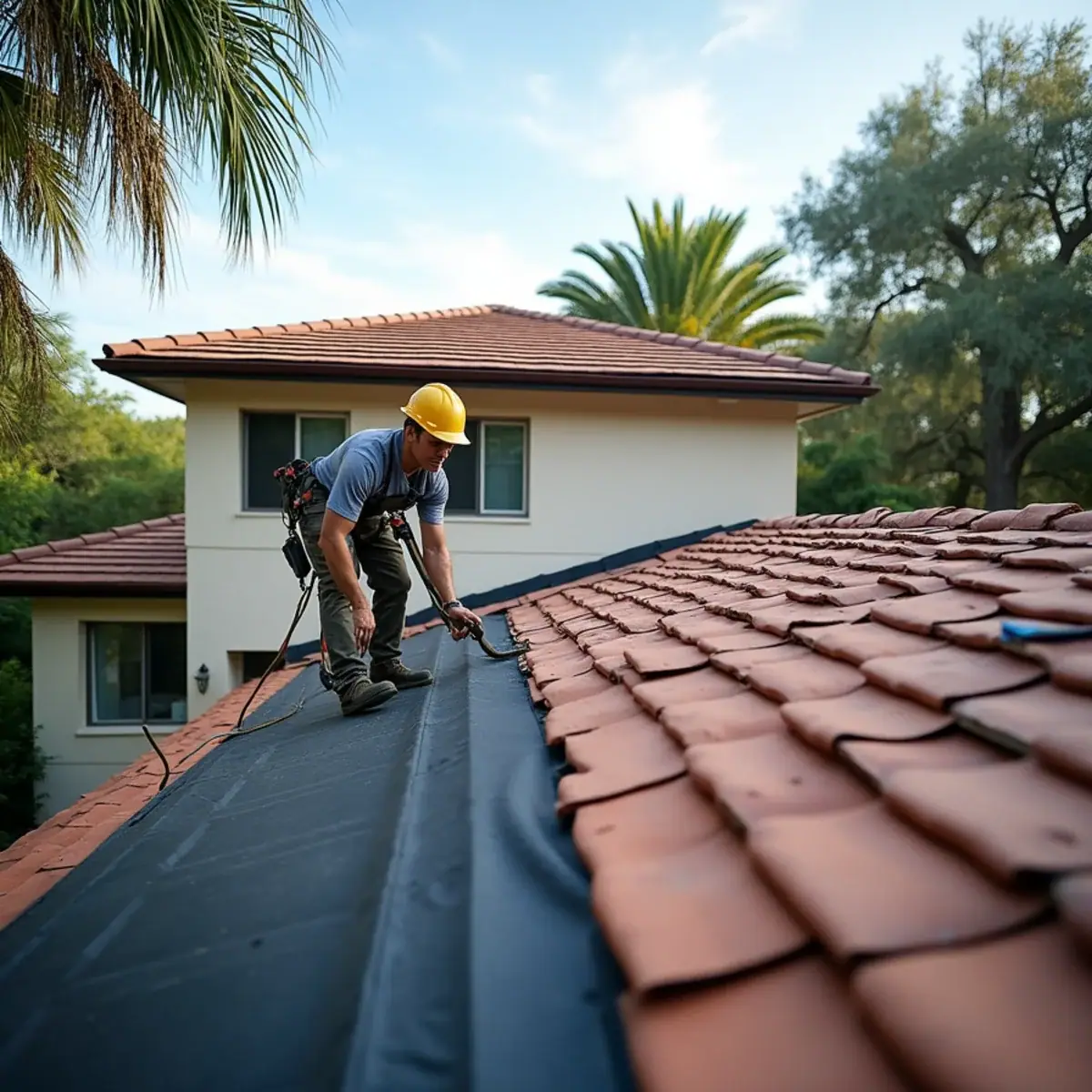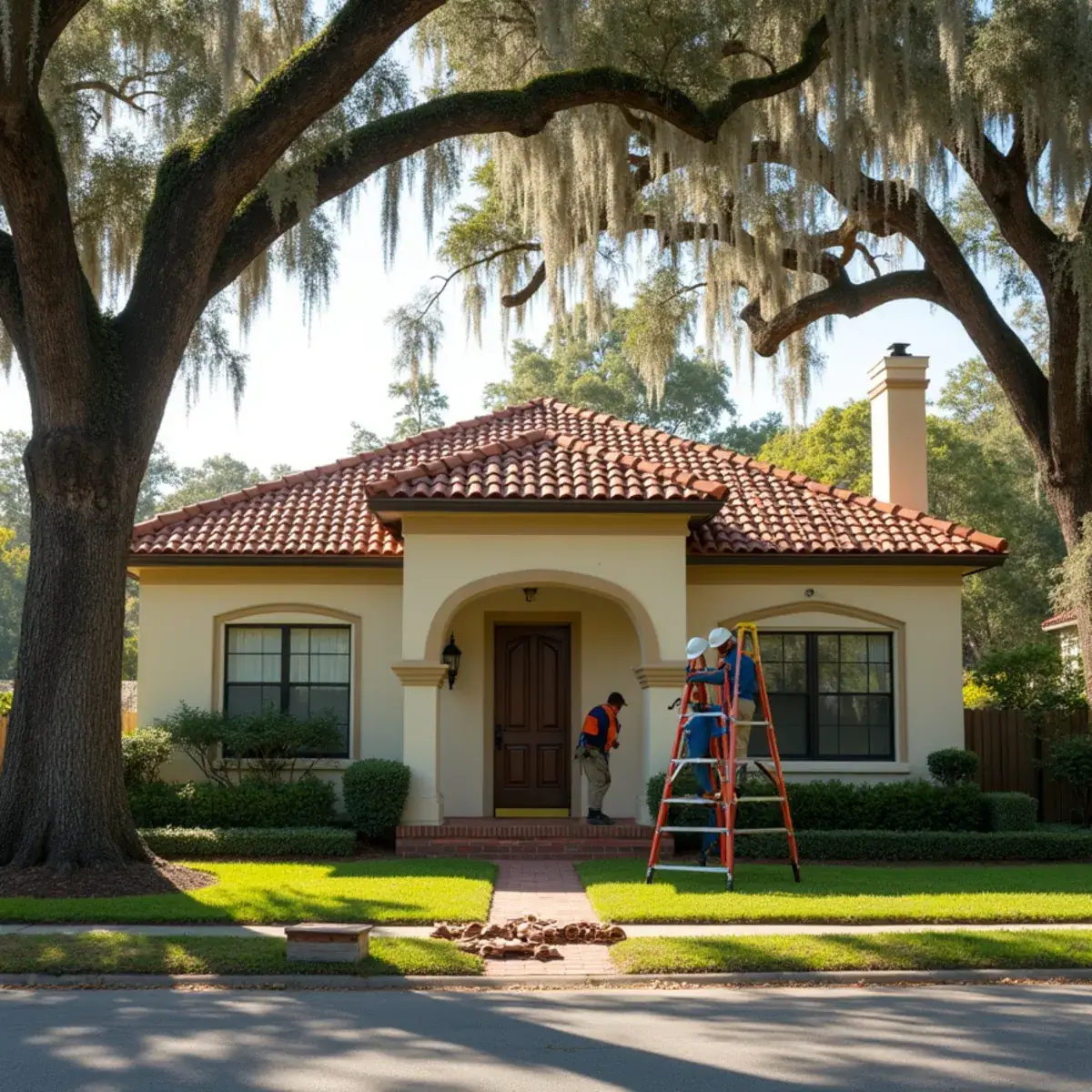
Tile roof repair in Winter Park, FL comes down to one question: is the trouble in the tile, or in the underlayment beneath it? Clay and concrete tile can outlast the house, but the tile mainly shields the roof from sun and wind. The real waterproofing is the underlayment, and in Central Florida heat it wears out years before the tile does.
Winter Park has more tile than most Orlando suburbs. Clay barrel tile tops Mediterranean Revival homes in Olde Winter Park and lakefront estates along the Chain of Lakes, while flat and S-profile concrete tile covers many later homes. Each type breaks, leaks and gets matched differently, so the repair has to fit the roof you actually have.
We answer the phone 24/7 and send a roofer who works on tile. Every roofer we send is licensed and insured in Florida.
Tile Roof Problems the Roofer Fixes: Cracked, Slipped and Missing Tiles
Most tile damage here has an ordinary cause: oak limbs dropping in summer storms, satellite and AC technicians cracking tile underfoot, pressure washing, and gusts getting under loose tiles at eaves and ridges.
- Cracked tiles: may not leak right away, but they let sun and water reach the underlayment.
- Slipped tiles: a corroded nail, failed foam or loose mortar lets a tile slide and open a gap.
- Missing tiles: usually wind or a limb, leaving underlayment exposed to direct sun.
- Loose ridge and hip tiles: cracked mortar or failed fasteners where wind starts lifting tile.
- Failed flashing: at walls, chimneys, skylights and pipes.
Broken roof tile replacement
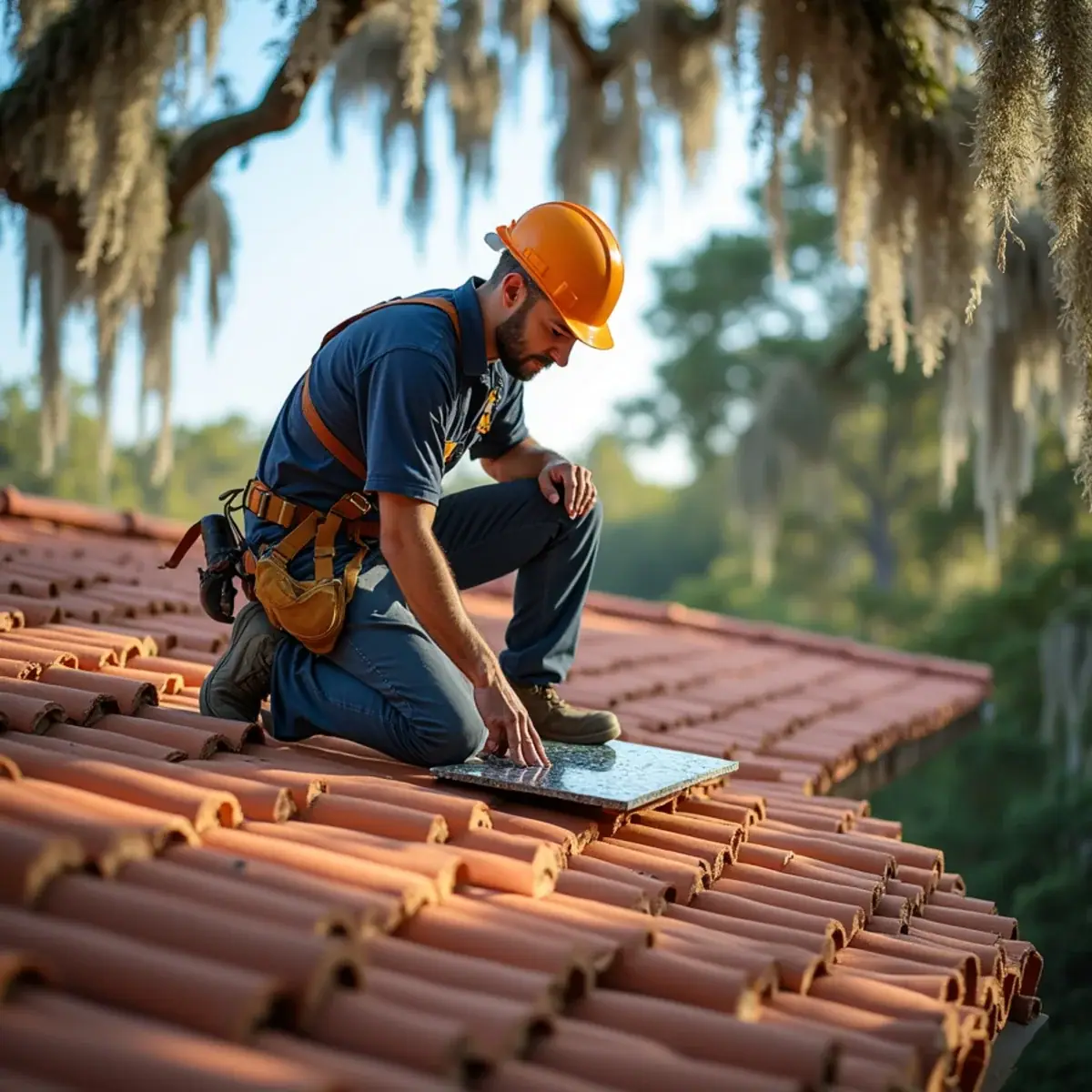
Replacing a broken tile means easing out the tiles that overlap it, removing the pieces and checking the underlayment before anything goes back. The new tile is set with the attachment the roof already uses: foam adhesive, nails, screws or clips. The roofer crosses tile on walk pads so the repair does not leave cracked neighbors behind.
What a tile roof repair includes
Most of a tile repair is careful handling: reaching the damage without breaking more tile, and checking what sits underneath before anything goes back. On a typical call, the roofer we send covers the following.
- A walk-pad route across the roof, so reaching the damage doesn't crack the tiles in between.
- Removal of the broken pieces and the overlapping tiles around them, stacked for reuse.
- A look at the underlayment at every opened spot, with photos of its condition.
- Replacement tile matched by profile and color, with the proposed match shown to you before it goes on.
- Resetting with the attachment the roof already uses: foam, nails, screws or clips.
- Checks of nearby flashing, valley metal and ridge or hip mortar while that part of the roof is open.
- Removal of broken tile and debris from the roof, gutters and yard.
- Photos of the finished repair and a written note on anything worth watching.
Our tile roof repair process, step by step
Swapping a cracked tile is only one possible outcome. This is the order the roofer works in to decide between a spot repair, a section repair and lift and relay.
- Describe the roof on the callTell us whether it's clay or concrete, roughly how old it is and where water shows inside. Leaks after long wind-driven rains point toward underlayment; a leak right after one storm points toward broken tile or flashing.
- Start in the atticBefore stepping on tile, the roofer checks the attic for stained decking, damp spots and daylight. That narrows the search to one area and keeps foot traffic on the tile to a minimum.
- Open the suspect areaWorking from walk pads, the roofer lifts tiles over the likely entry point and looks at the underlayment, flashing and fasteners directly. Brittle or torn felt changes the answer, so it gets photographed.
- Lay out the options in writingYou get photos and a written price for what the findings support: a few tiles, a valley or section rebuild, or lift and relay. If a spot repair will hold, that is the recommendation.
- Line up the tileStock concrete profiles can often be ordered. Older clay and discontinued profiles come from salvage or from a hidden slope, and you approve the match before it is installed.
- Repair, reset and photographThe repair goes in with the roof's existing attachment method, nearby tiles are checked for cracks, debris is cleared and you get photos of the finished work. Section and lift-and-relay jobs also get a permit and final inspection.
Why Tile Roofs Leak: The Underlayment Wears Out Before the Tile Does
Water gets past tile on every roof. Wind-driven rain blows up under the laps during summer storms, and the underlayment is what catches it and carries it to the eaves. That works until the underlayment ages out.
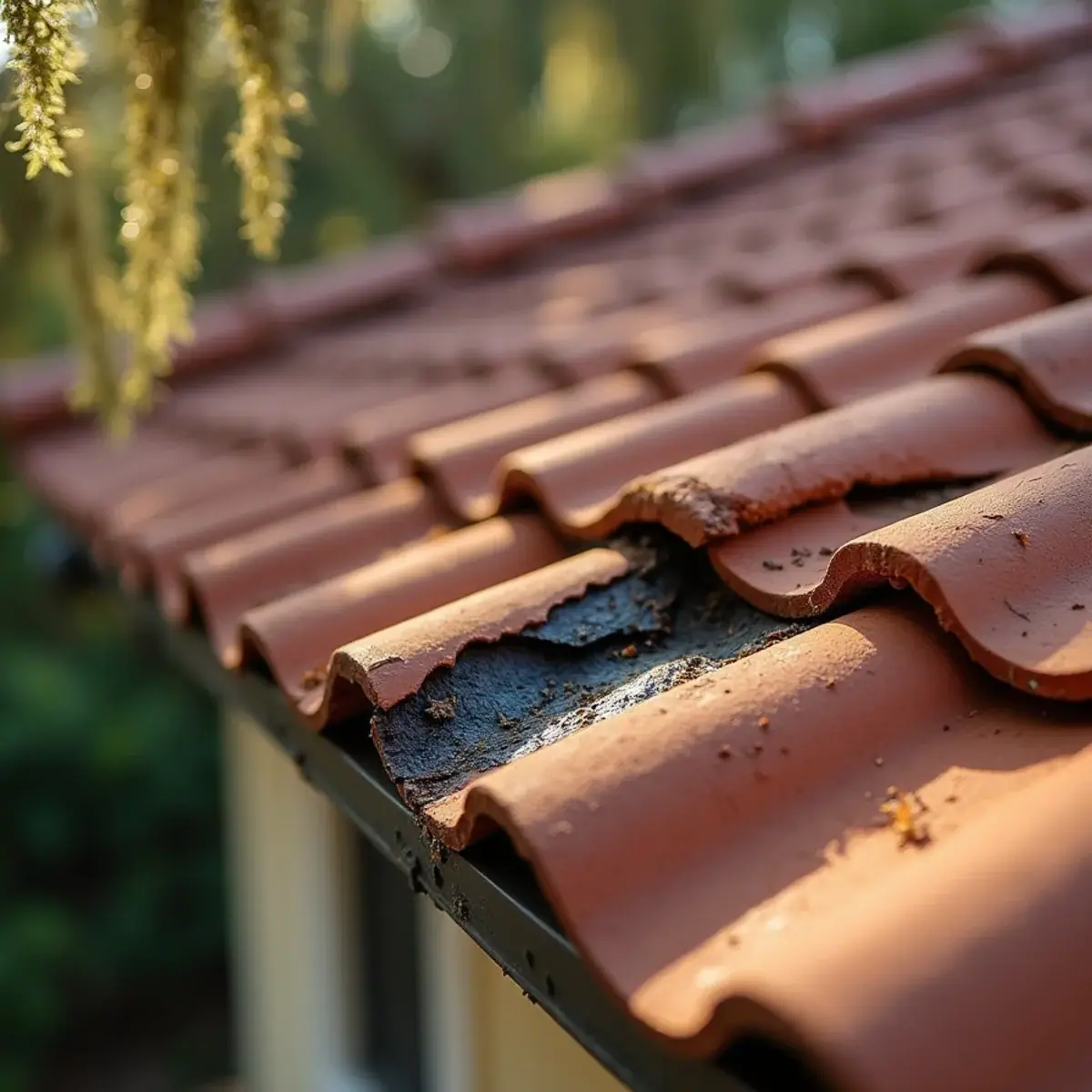
In Florida, tile roof underlayment typically wears out around 20 to 25 years, sooner on a west slope that bakes all afternoon. Older roofs used a two-ply 30/90 hot-mopped system; newer ones mostly use self-adhered modified underlayment. Both eventually dry out, crack at the folds and let go around fasteners, and a good-looking tile roof starts to leak.
Tile roof leak signs to watch for
- A ceiling stain after long, wind-driven rains but not short showers
- Leaks near valleys, chimneys or the low edge of a roof section
- Brittle, crumbling felt visible at the eaves or under a broken tile
- A roof past 20 years whose tile still looks almost new
A local leak may need only a section repair or new flashing; our roof leak repair page explains how the source gets traced. When the underlayment has failed across the roof, swapping tile on top will not stop it.
Clay Barrel Tile vs Concrete Tile on Winter Park Homes
| Feature | Clay tile | Concrete tile |
|---|---|---|
| Where you see it | Mediterranean Revival homes in Olde Winter Park, older lakefront estates | Many homes built from the 1980s on |
| Common profiles | Two-piece barrel (pan and cover) and one-piece S | Flat, low-profile and S |
| Color | Fired through, weathers slowly | Surface color that fades over time |
| Under foot | Brittle, especially older barrel tile | Sturdier, but still cracks |
Clay tile roof repair
Clay barrel tile on an older home is often irreplaceable in practice, because the exact profile and color may not be made anymore. Repairs rely on careful removal, reuse of every sound tile, and salvage stock for the ones that break.
Concrete tile roof repair
Common concrete profiles are easier to source, but a 25-year-old roof has faded, so a new tile can stand out. The bigger issue is usually underlayment age and corroded fasteners.
Lift and Relay: New Underlayment Under Your Existing Tile
Lift and relay gives a roof with good tile and failed underlayment a second life: the tile comes off, the roof is rebuilt underneath, and the same tile goes back on. For clay barrel tile that cannot be bought new, it is often the only way to keep the original roof.
- The roofer estimates breakage and lines up matching replacement tile before work starts.
- Tile is removed by hand and stacked, section by section.
- Old underlayment is torn off down to the deck.
- Rotten sheathing is replaced, and the deck is re-nailed where Florida code requires it.
- New underlayment, flashing, drip edge and eave closures go down.
- Tile is reinstalled using the attachment its product approval calls for.
- Ridges and hips are reset and the final permit inspection is scheduled.
Florida code treats lift and relay as a reroof on most homes, so the licensed roofer pulls a permit. Inside city limits that goes through Winter Park Building and Permitting Services; Maitland and Casselberry run their own building departments, and some Goldenrod addresses fall under Seminole County.
If the tile itself is failing, a full tile roof replacement may make more sense. Florida's 25% roof rule explains when a large repair brings a section up to current code.
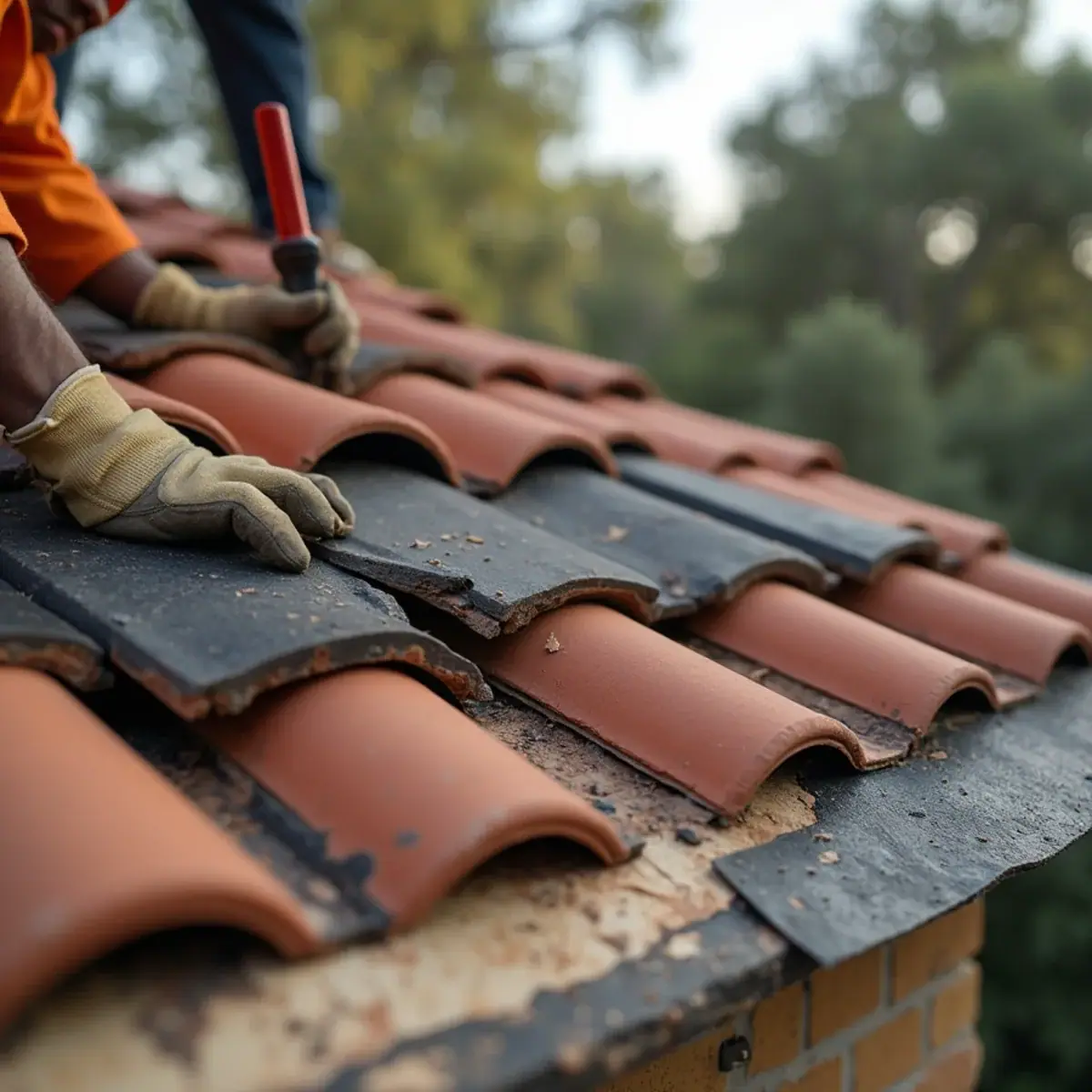
Matching Discontinued Tile Profiles and Colors
Manufacturers have changed molds and dropped colors over the decades, so matching is the hardest part of tile repair in an older neighborhood. The usual options:
- Salvage tile: suppliers and tile boneyards keep tile pulled from reroofed homes, sorted by profile and color. A broken piece from your roof speeds the search.
- Borrowing from a hidden slope: sound tile from the back moves to the front, and the closest new match goes out of sight.
- Close-match new tile: often fine for common concrete profiles on a rear slope.
New clay often looks brighter for a few years before it weathers in. Ask to see the proposed match before anything is ordered.
Ridge, Hip and Valley Repairs: Mortar, Foam and Flashing
How the tile is attached decides how it is repaired.
- Mortar-set: common on older roofs. Mortar cracks with heat and settling, ridges loosen and tiles shift; the loose mortar comes out and the tile is reset.
- Foam-set: approved polyurethane foam paddies fail when undersized or when the underlayment beneath breaks down. Reset tiles get fresh foam in the approved pattern.
- Mechanically fastened: corroded nails or screws let tiles slip; new fasteners go into sound wood, not old holes.
Valleys need extra attention under Winter Park's oak canopy. Leaves pack into tile valleys, dam the water and push it over the edge of the valley metal. Rusted or undersized valley flashing has to be replaced, which means lifting the tile on both sides.
Tile Roofs on Historic-Register Homes: Keeping the Original Look
Winter Park has a Historic Preservation Board and a local historic register, and much of the city's original clay tile sits in and around districts such as Olde Winter Park. Changes to roof material or appearance on a designated property may need review; confirm with the city's historic preservation staff before choosing materials.
Like-for-like repairs are usually the simplest path: reusing original clay, filling gaps with salvage tile of the same profile, and keeping eave and ridge details as built. Lift and relay suits historic homes well because the original tile goes back on.
What Affects Tile Roof Repair Cost
The roofer gives a written price before work starts, based on these drivers:
- Tile type and availability: common concrete versus discontinued clay or salvage tile
- Scope: a few tiles, a ridge or valley rebuild, or a full lift and relay
- Pitch and height: steep, two-story and lakefront roofs need more safety setup
- Access: pool cages, landscaping and limbs over the roof
- Deck condition and flashing: rot found under the tile, new metal at walls and chimneys
- Permits, inspections and disposal on underlayment jobs
Read what drives roof repair cost in Winter Park for more. Tile work is available across our service areas around Winter Park, and a roof inspection gives you written findings first if you are deciding between repair and replacement.
Why Winter Park homeowners call Zana Roofers for tile roof repair
- The underlayment gets checked, not assumedThe roofers we send know most leaking tile roofs around Winter Park are underlayment problems. They lift tile and look before pricing, so you aren't paying for new tile laid over felt that has already failed.
- Photos from under the tileYou can't see underlayment from the yard, so the roofer photographs what is beneath the lifted tile. Those photos let you weigh a spot repair against lift and relay for yourself.
- A small fix when a small fix will holdIf three cracked tiles over sound underlayment are the whole problem, that is the job you are quoted for, in writing, before anything starts. Bigger work is recommended only when the evidence points there.
- Historic review and permit offices coveredClay roofs on historic-register homes may need city review before the look changes, and section work needs a permit from Winter Park, Orange County, Seminole County or a neighboring city. The roofer knows which office handles your address.
Tile Roof Repair questions from Winter Park homeowners
How long does tile roof underlayment last in Florida?
Typically around 20 to 25 years, depending on the product, the slope's sun exposure and the installation. Older hot-mopped felt and newer self-adhered underlayments both dry out and crack in Florida heat. The tile can last far longer, which is why many Winter Park tile roofs leak while the tiles still look fine.
Can you replace a few broken tiles without redoing the whole roof?
Yes, as long as the underlayment beneath is still sound. The roofer lifts the overlapping tiles, swaps the broken ones and checks the underlayment while it is exposed. If it is brittle or torn across the roof, new tiles alone will not stop leaks, and the roofer will explain the options.
Is it safe to walk on my tile roof?
No. Clay and concrete tile crack easily under a person's weight, especially barrel tile and older clay, and a cracked tile may not show until it leaks. Tile is also slippery when wet. Leave it to a roofer who uses walk pads, and ask satellite, solar and AC technicians to avoid crossing it.
Can you match my existing roof tile?
Usually, though an exact match is not always possible. Common concrete profiles are still made, and discontinued tiles can often be found through salvage suppliers and tile boneyards. When nothing matches, the roofer can move sound tile from a hidden slope to the front and use the closest match out of sight.
How long does a tile roof repair take?
A few broken tiles over sound underlayment usually take part of a day. A valley or ridge rebuild can take a full day or more, and lift and relay runs from several days to a couple of weeks, depending on the roof's size, the weather and permit inspections. Finding discontinued or salvage tile can add time before work starts, and the written scope gives you the expected schedule.
Is it better to repair or replace an old tile roof?
It depends on which layer is worn out. If the tile is sound and only the underlayment has failed, lift and relay keeps the original tile and is often the better choice, especially for clay that can't be bought new. If the tile itself is brittle, cracking across the roof or badly weathered concrete, replacement deserves a look. Photos taken from under the tile settle the question.
Page reviewed by Zana Roofers.