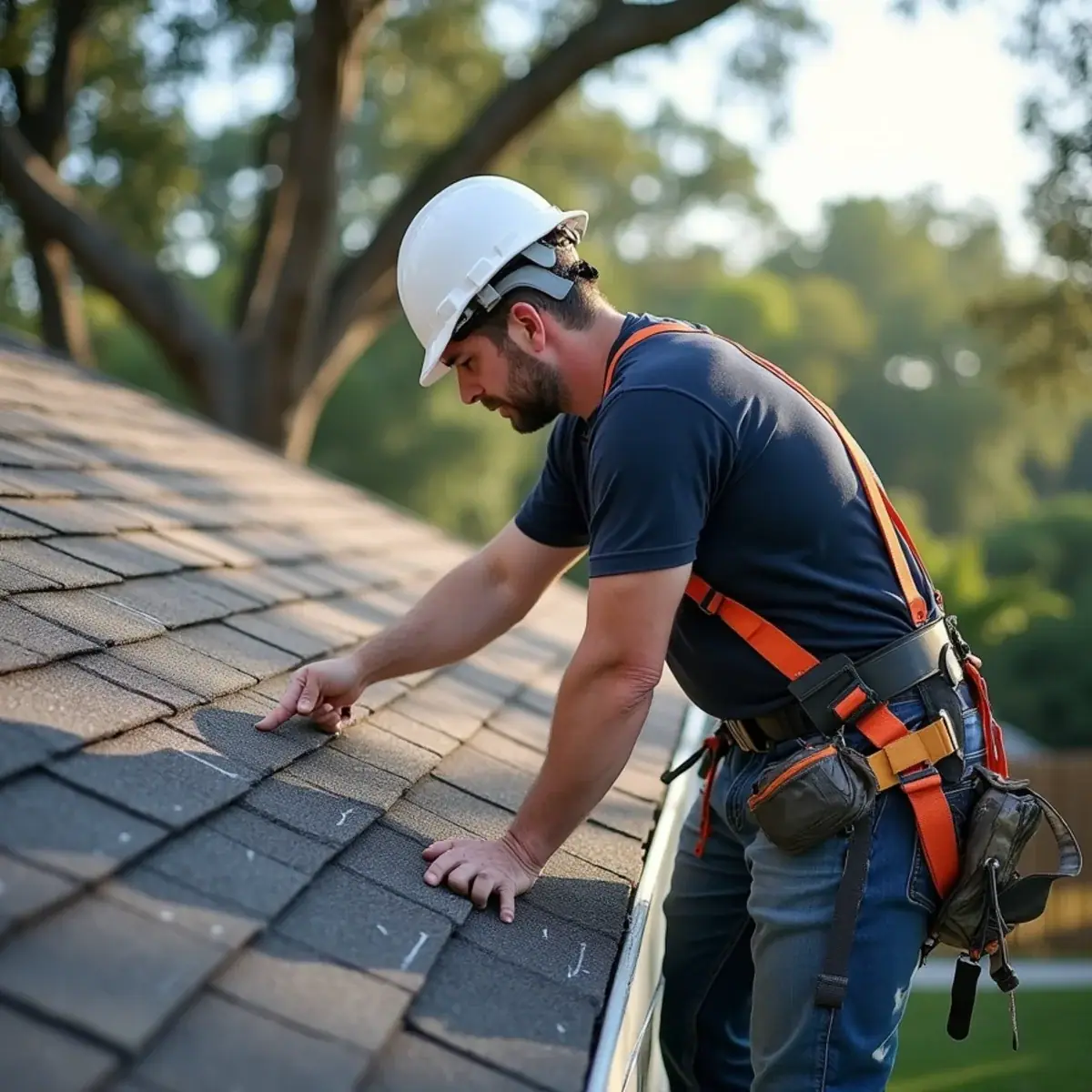
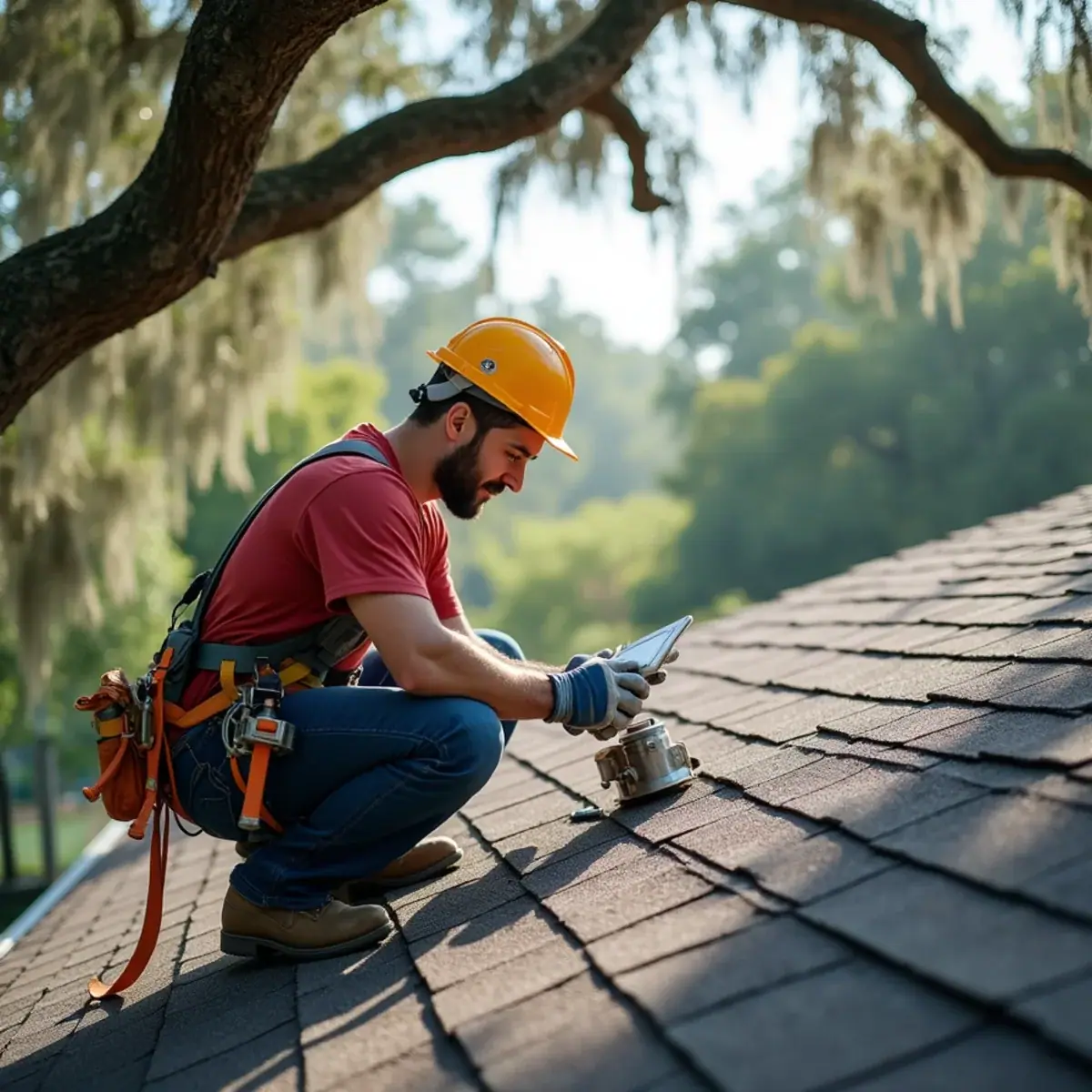
A roof inspection in Winter Park, FL usually starts with a deadline: an insurance letter about roof age, a buyer's inspection window, or a storm that came through overnight. The roofer we send walks the roof where it is safe, checks the attic, photographs what matters and puts the findings in writing so you can act on them.
Winter Park's housing makes the inspection more than a formality. With a median build year in the mid-1970s, many homes are on their third or fourth roof, older tile roofs hide aging underlayment, and the oak canopy leaves scuffs no one sees from the street. Every roofer we send is licensed and insured in Florida.
When to Book a Roof Inspection in Winter Park
- Your insurer sent a roof letter, or your renewal asks about roof age or condition
- Your roof is 15 years or older, so you know where it stands before renewal
- You are buying or selling a home and need answers before the inspection period ends
- A storm or limb strike passed through and you want to know what changed
- Hurricane season is coming, and loose flashing is cheaper to fix in May than in September
- A new ceiling stain appeared with no obvious cause
Inspections are booked for daylight and dry weather, since a wet roof is unsafe to walk and hides some problems. If water is already coming in, start with roof leak repair instead.
What a roof inspection includes
An inspection is only as useful as what it covers and how clearly it is written up. A typical visit from the roofer we send includes the following.
- Every roof section rated on its own, including flat porch and Florida room roofs, not just the main slope.
- Roof age taken from permit records or paperwork you have, rather than guessed from appearance.
- A walk of each slope where it is safe, with ladder and ground views where walking would crack tile or isn't safe.
- Attic entry at each reachable hatch, with moisture readings at any stain.
- A check for canopy wear: limb scuffs, leaf-packed valleys and clogged gutters under overhanging oaks.
- Each defect ranked as fix now, fix before hurricane season, or monitor.
- A walk-through of the photos with you before the roofer leaves, when you are home.
- Written findings kept separate from any repair price, so the condition report stands on its own.
Our roof inspection process, step by step
- Name the purpose and the deadlineWhen you call, tell us why you need the inspection: an insurer's letter, a buyer's inspection period or a recent storm. If your carrier sent a specific form, have it ready, because it shapes what the roofer records.
- Gather the roof's historyThe roofer looks for the permit date on the current roof and asks about earlier repairs, leaks and storm damage. Age and history frame everything the inspection turns up afterward.
- Inspect outside, then insideThe roof is checked from the ground, then walked where it is dry and safe. The attic comes next, where stains, damp insulation and daylight reveal what the roof surface can hide.
- Rank what turned upDefects are sorted by urgency: items that need repair now, items to handle before the next hurricane season, and normal wear to keep an eye on. A clean result is recorded just as plainly.
- Deliver the reportYou receive labeled photos and written findings, plus any form your insurer or buyer needs when the roofer is qualified to sign it. A repair price, if one is needed, comes as a separate written document.
- Update the record after repairsIf an insurer wants proof that defects were fixed, photos of the finished repair can be added to the file, or the roof can be re-inspected after the work so the record shows its current condition.
Insurance Inspections: Roofs 15 Years and Older and Remaining Useful Life
Under section 627.7011 of the Florida Statutes, changed in December 2022, an insurer may not refuse to write or renew a homeowners policy solely because the roof is under 15 years old. For roofs 15 years or older, the insurer must let the homeowner have the roof inspected by an authorized inspector. If that inspection shows at least five years of remaining useful life, the insurer may not refuse to write or renew solely because of roof age.
A remaining useful life inspection, often called a roof certification, records the covering type, age, condition and defects, and estimates the years left. Insurers may still require inspections and apply other underwriting rules, so confirm with your agent which form they want. Citizens Property Insurance uses its own Roof Inspection form for older roofs, and many carriers ask for a 4-point inspection covering the roof, electrical, plumbing and HVAC; a roofer handles the roof portion only.
If the roof falls short
A report showing less than five years of remaining life still helps: it tells you exactly what needs repair, or whether replacement is the realistic option. Background on roof-age letters is in Florida's 15-year roof rule explained.
After-Storm Inspections: What Is Checked and Documented
A storm damage inspection records the roof's condition with dated photos after a thunderstorm, named storm or limb strike. Hurricane Milton in October 2024 brought heavy rain and broken limbs across Winter Park, and smaller summer storms repeat that pattern every year. The roofer checks for:
- Missing, lifted or creased shingles and broken seal strips
- Cracked, slipped or missing tile at ridges and eaves
- Punctures and scuffs where limbs hit or dragged
- Torn flashing, vents and pipe boots
- Damaged soffit, fascia and gutters
- Stains, wet insulation or daylight in the attic
Stay off the roof yourself after a storm, and expect no one to inspect during lightning or high wind. If damage turns up, storm damage roof repair covers the next steps.
Buying or Selling a Home: Roof Inspections for Real Estate Deals
A general home inspection often looks at the roof from a ladder or the ground. A pre-purchase roof inspection by a roofer goes further: walking the roof where safe, checking the attic deck, and estimating remaining life and repair needs in terms you can take back to the negotiation.
Here the roof affects a sale twice: the price, and whether the buyer can insure the home at closing, since many carriers want a 4-point or roof form before binding a policy on an older house. Buyers of tile-roofed homes should ask specifically about underlayment age. Sellers who inspect before listing can fix small items or disclose them up front.
Inspections cover Winter Park and the surrounding service areas, including lakefront homes in Maitland, older shingle roofs in Goldenrod and ranch homes with low-slope additions in Casselberry.
What the Roofer Checks: Covering, Flashing, Penetrations, Decking, Attic
| Area | What the roofer looks at |
|---|---|
| Covering | Shingle wear and granule loss; tile cracks and slips; seams and blisters on flat sections |
| Flashing | Walls, chimneys, skylights, valleys and drip edge: rust, gaps, failed sealant |
| Penetrations | Pipe boots, vents, exhaust fans, satellite and solar mounts |
| Drainage | Gutters, downspouts, scuppers and valleys, including oak debris |
| Decking | Soft spots underfoot, sagging lines, rot at eaves |
| Attic | Stains, daylight, damp insulation, deck nailing, ventilation, moisture readings |
On tile roofs the roofer may lift a few tiles at suspect spots to see the underlayment. On low-slope sections, moisture readings show whether water is trapped under the membrane.

Roof Features That Matter for Wind Insurance: Deck Attachment, Roof Shape, Water Barrier
Florida's wind mitigation form, OIR-B1-1802, records construction features that can earn wind insurance credits. Most of them are roof items:
| Feature | What is recorded |
|---|---|
| Roof covering | Type and whether it meets the Florida Building Code, often shown by permit date |
| Roof deck attachment | How the deck is fastened to the trusses: nail size and spacing |
| Roof-to-wall attachment | Toe nails, clips, single wraps or double wraps |
| Roof geometry | Hip roof versus gable or other shapes; hip roofs generally rate better |
| Secondary water resistance | Whether a sealed deck or approved barrier sits under the covering |
The form also covers opening protection such as shutters. Deck attachment and secondary water resistance are usually upgraded only during a reroof, which our roof replacement page explains.
What You Receive: Photos, Written Findings and a Repair Estimate
- Photos of the roof, flashing, problem spots and attic, with locations noted
- Written findings on covering type, approximate age, condition and each defect
- A remaining useful life estimate when an insurer or buyer needs one
- Your insurer's form, completed by a qualified signer, when your carrier requires one
- A written repair estimate for any recommended work, priced before anything starts
Together these make a roof condition report you can hand to an agent, buyer or seller. You decide what to do with it, and a clean report is a perfectly good outcome.

What a Roof Inspection Cannot Tell You
A roof inspection is visual and non-destructive, and that sets real limits:
- Underlayment under tile or shingles is seen only where pieces are lifted.
- Deck nailing is confirmed only where it shows in the attic.
- Remaining useful life is a professional estimate, not a guarantee.
- No inspection can predict an insurer's underwriting decision.
- Steep, wet or fragile roofs limit where the roofer can safely walk.
- An intermittent leak may not show on a dry day and can need a water test.
What affects the cost of a roof inspection
Inspection pricing depends on what the report has to do and how much roof there is to cover. Whether a fee is charged, and whether it is credited toward repair work you approve, is stated up front when you book, before anyone comes out.
- Purpose. A condition check for your own planning takes less time than a remaining useful life estimate for an insurer or a pre-purchase report on a buyer's deadline.
- Forms. Completing an insurer's roof form, or pairing the visit with a wind mitigation form, adds paperwork and depends on the signer's qualifications.
- Size and height. Two-story homes, steep slopes and large roofs take longer to cover safely.
- Number of roof types. A shingle main roof with a tile porch and a flat Florida room means three systems to assess.
- Attic access. Tight crawl spaces or several separate attics add time.
- Extra testing. A controlled water test for an intermittent leak is a separate step from a visual inspection.
Any repair the inspection turns up gets its own written price before work starts, so the inspection and the repair are never rolled into one number.
Why Winter Park homeowners call Zana Roofers for a roof inspection
- Book it the day the letter arrivesThe phone is answered 24/7, so you can schedule as soon as an insurer's letter or a buyer's contract lands, weekends included. Give us the due date on the call so it shapes the scheduling.
- A license you can look upInsurers care who signs a roof report, and so should you. Ask for the roofer's Florida license number and confirm it on the DBPR license search before the visit.
- Findings, not a sales pitchIf the roof has years left, the report says so. Repairs are recommended when the photos show they are needed, and replacement only when repair no longer makes sense.
- Roofers who read local roofsAging felt under tile, Florida room tie-ins and limb scuffs under the oaks are easy to miss on a quick look. The roofers we send check for them on Winter Park-area homes as a matter of routine.
Roof Inspection questions from Winter Park homeowners
My insurer says my roof is too old. Can an inspection keep my policy?
It can help, but it cannot guarantee it. Under Florida law, if your roof is 15 years or older and an authorized inspector finds at least five years of remaining useful life, the insurer may not refuse to write or renew solely because of roof age. Insurers can still apply other underwriting rules, so ask your agent which form they need and when it is due.
Who is allowed to sign a roof inspection for insurance in Florida?
It depends on the form. Wind mitigation and roof condition forms generally accept licensed home inspectors, roofing and building contractors, engineers, architects and building code inspectors, but your insurer's form lists who may sign. Check its signature section, and tell us which form you need when you call so the roofer we send can complete it.
How long does a roof inspection take?
Usually about an hour on site for a typical single-story home, covering the roof, the attic and photos. Two-story homes, tile roofs, several low-slope sections or tight attics take longer. The written findings and any estimate follow the visit, so if you have an insurance deadline, mention the date when you call.
Is a roof inspection the same as a wind mitigation report?
No. A roof inspection looks at condition: wear, damage, leaks and remaining useful life. A wind mitigation report on form OIR-B1-1802 records features that resist wind, such as roof shape, deck attachment, roof-to-wall connections and secondary water resistance, which can earn insurance credits. Some insurers want both, and one visit can cover both if the inspector is qualified to sign.
How often should a roof be inspected in Florida?
Once a year suits most Central Florida roofs, and spring is the best time because problems can be fixed before the rainy and hurricane seasons. Roofs past 15 years, tile roofs past 20 and homes under heavy oak cover deserve a closer eye. Any roof should also be checked after a named storm or a limb strike, even when nothing is leaking inside.
How long is a roof inspection report good for?
There is no single expiration date. Each insurer, lender or buyer decides how recent a report has to be, so ask your agent or the buyer's side before you book. A report also describes the roof only on the day it was inspected. A storm, a limb strike or a new leak afterward can make it outdated, and a fresh inspection may be needed.
Page reviewed by Zana Roofers.