Quick answer
Have the roof checked in April or May so repairs are finished before hurricane season opens June 1. From the ground, look for lifted shingles, cracked tiles, loose flashing, clogged valleys and limbs over the roof; in the attic, look for stains or daylight. Photograph every slope, and leave roof work to a roofer.
Before hurricane season starts on June 1, walk around your home in May and check the roof from the ground: missing or lifted shingles, cracked or slipped tiles, loose flashing, clogged gutters and valleys, and oak limbs hanging over the roof. Check the attic for stains, take dated photos of every roof slope, and get a roofer out for anything you find. The season runs through November 30, and this hurricane roof checklist for Florida homes works again after every storm. Stay off the roof yourself.
In Orange and Seminole counties, the threats are familiar: Charley in 2004 and Irma in 2017 brought the wind, while Ian in 2022 and Milton in 2024 brought heavy rain and broken limbs. Most roofs that fail in a storm had a weak spot before it arrived.
When to check: May, and again after every storm
May is the best month for a pre-season check. The daily summer thunderstorms have not settled in yet, and roofers can still schedule repairs before the first named storm. After a hurricane passes, every roofer in the area is booked at once, so small fixes made in spring save a long wait in September.
If your roof is more than 15 years old, or you have not had it looked at in a few years, a pre-season roof inspection gives you photos and written findings to work from.
The hurricane roof checklist: what to check from the ground
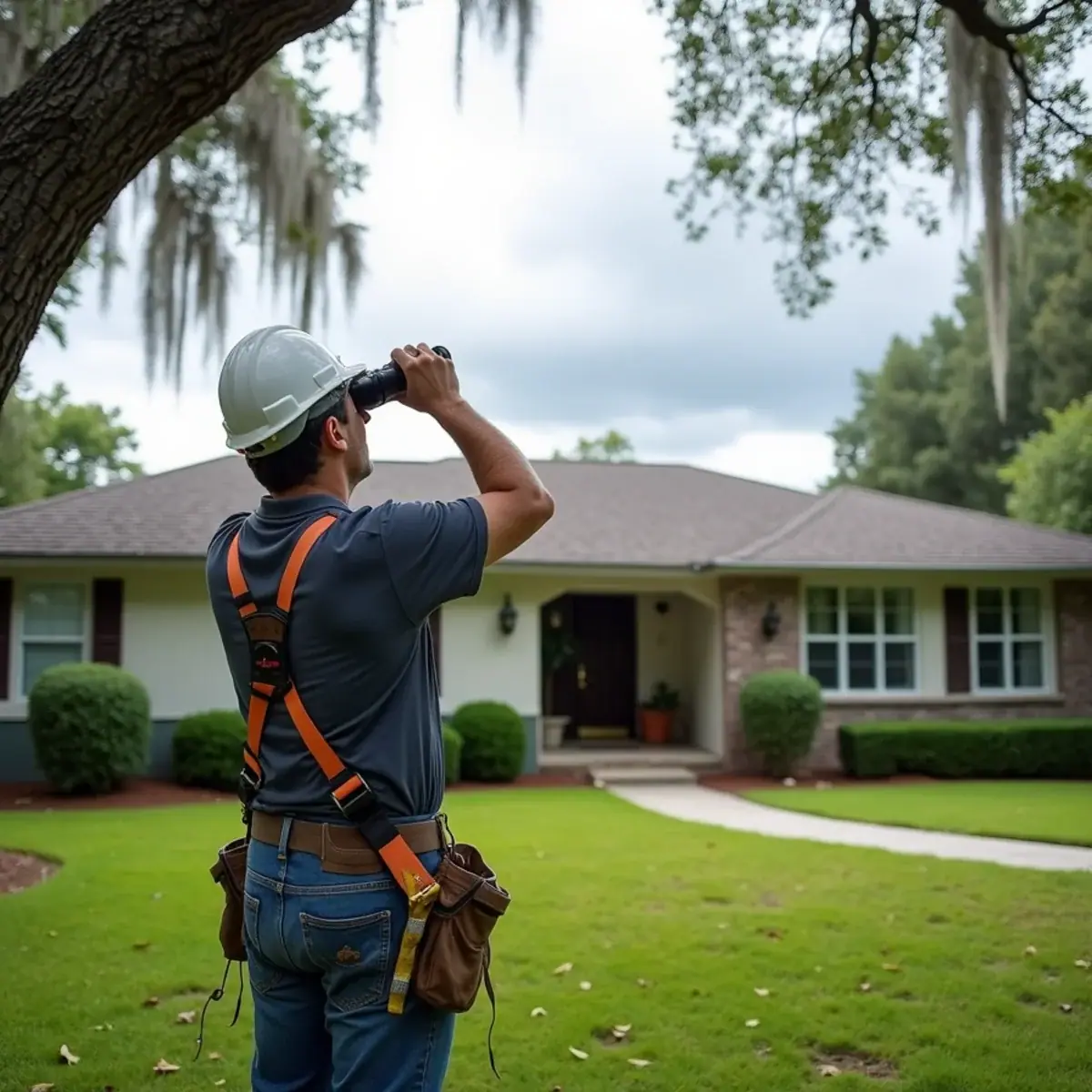
Do this from the yard, a neighbor's driveway or an upstairs window. A pair of binoculars helps. Do not climb onto the roof.
- Shingles: look for missing tabs, lifted edges, creases or bare patches where granules are gone.
- Tile: look for cracked, broken or slipped tiles, and gaps along the ridge and hips.
- Flashing: check where the roof meets walls, chimneys and dormers for bent or loose metal.
- Pipe boots and vents: look for cracked rubber collars and vent caps that sit crooked.
- Gutters and downspouts: check that they are attached, not sagging, and not full of leaves.
- Valleys: look for leaf piles or debris dams where two slopes meet.
- Soffit and fascia: check for loose panels, gaps or soft wood at the roof edge, which wind can peel back.
- Overhanging limbs: note branches touching the roof or hanging over it.
- Low-slope sections: over Florida rooms and porches, look for ponding stains, open seams or blistering.
- Photos: take dated pictures of each slope and each item above.
Attic check: ten minutes with a flashlight
If you can get into the attic safely, step only on framing and look for:
- Water stains or dark rings on the underside of the roof deck
- Daylight showing through anywhere except vents
- Damp or matted insulation
- Rusty nail tips, which point to moisture
- Whether the rafters or trusses are tied to the walls with metal straps or clips
That last item matters for wind resistance and for insurance, as the next sections explain.
Gutters, valleys and oak limbs
Under the live oak and camphor canopy that covers much of Winter Park, Maitland and Goldenrod, leaves pile up in valleys and gutters all year. A clogged valley turns a heavy rain into water pushed sideways under shingles or tile. Clear gutters and valleys before June, and again in late summer.
Limbs are the bigger threat. Have an arborist remove dead wood and branches over the roof, and leave the cutting to them. Some cities regulate tree trimming and removal, so check with your city or county before cutting large limbs. Along Aloma Avenue and Goldenrod Road, older homes on second and third shingle roofs sit under mature oaks; our page on roof repair in Goldenrod covers that area, including which county issues the permit.
Roof-to-wall connections and wind mitigation
Hurricane winds try to lift a roof off the house. What holds it on is how the deck is nailed to the framing and how the framing is tied to the walls. Older Central Florida homes may rely on toe-nails, while newer or retrofitted homes use metal clips or straps that wrap over the framing.
Florida's wind mitigation form, OIR-B1-1802, records these features: roof covering, deck attachment, roof-to-wall connection, roof shape, secondary water barrier and opening protection. Insurers may give premium credits based on it, so ask your agent which features matter on your policy. Our roof inspection page explains how these features are checked.
Adding straps to an existing house is not a weekend project, but a reroof is a good time to improve deck attachment and the water barrier, since Florida code requires both on most reroofs. The roofer confirms what applies.
Photos and paperwork for your records
Pre-storm photos show what your roof looked like before the wind arrived. Keep them with your roof records in a place you can reach from your phone:
- Dated photos of each roof slope, the attic, and the ceilings below
- The year the roof was installed, plus the permit record and invoice if you have them
- Any inspection or wind mitigation reports
- Your policy's hurricane deductible
Florida hurricane deductibles are usually a percentage of the dwelling coverage limit, commonly 2%, 5% or 10%, and apply once per hurricane season. Other storms use the all-other-perils deductible. Check your policy and talk to your agent about how yours works.
Storm prep: keep a tarp, stay off the roof
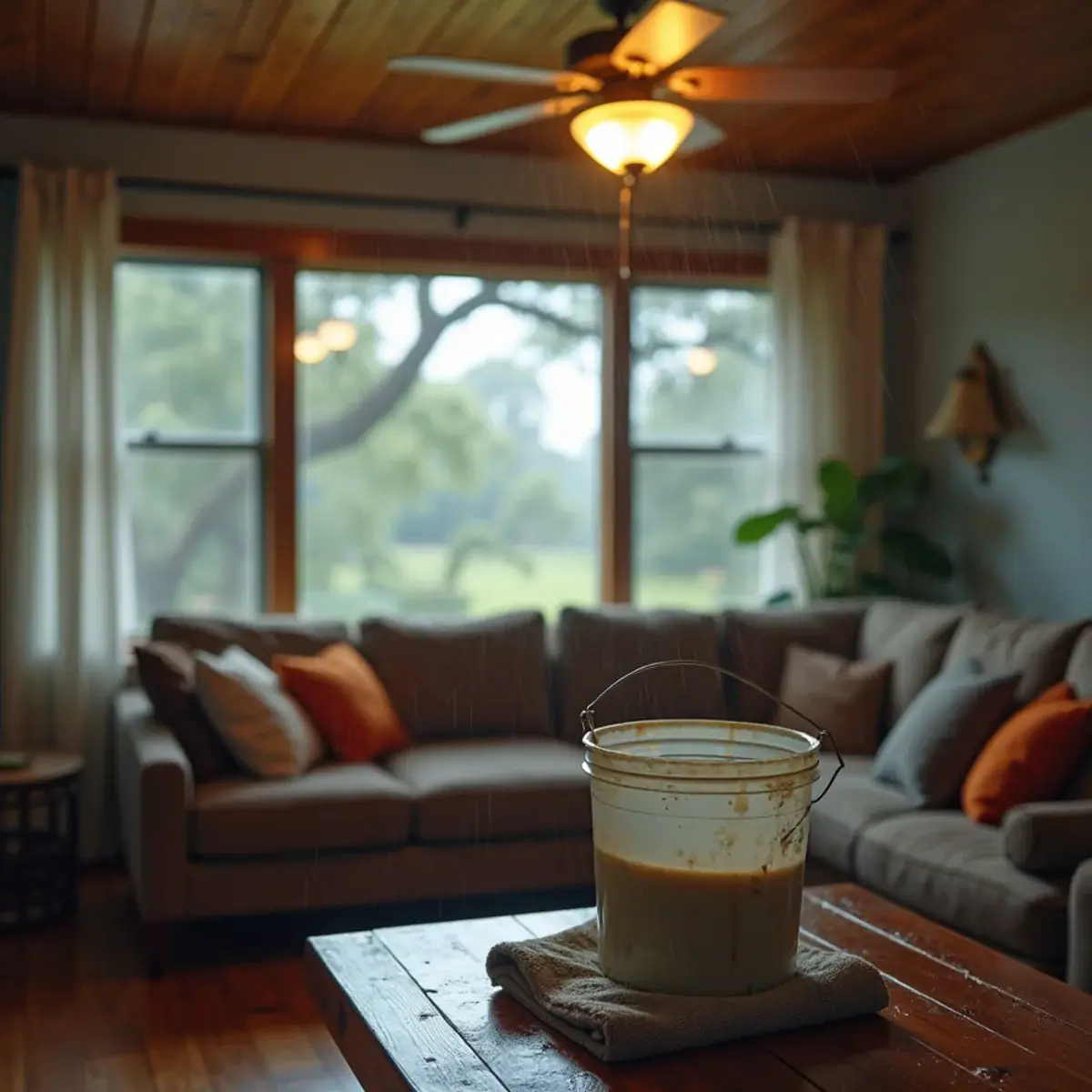
Keeping a tarp, a few buckets and towels in the garage is sensible: they help indoors if water comes through the ceiling. Climbing onto the roof to tarp it as a storm approaches, or right after one, is not. Wet shingles and tile are slick, wind gusts arrive without warning, and damaged decking can give way. Leave roof tarping to a roofer once conditions are safe.
Nobody works on a roof in lightning or high wind
That includes roofers. Emergency work starts once lightning has passed and the wind has dropped. Until then, the job is to protect the inside of the house.
After the storm: what to do, in order
- Wait until the storm has passed and stay clear of downed power lines and hanging limbs.
- Walk around the house and look at the roof from the ground.
- Photograph damage outside and any stains or drips inside before anything is moved.
- Catch water indoors and cut power to wet light fixtures at the breaker.
- Call for emergency roof tarping and leak control if water is coming in.
- Check any roofer's license on the Florida DBPR lookup before work begins, and be wary of door-to-door offers.
- Keep receipts for tarps and temporary repairs, and call your agent with policy questions.
What a pre-season roof check actually looks at
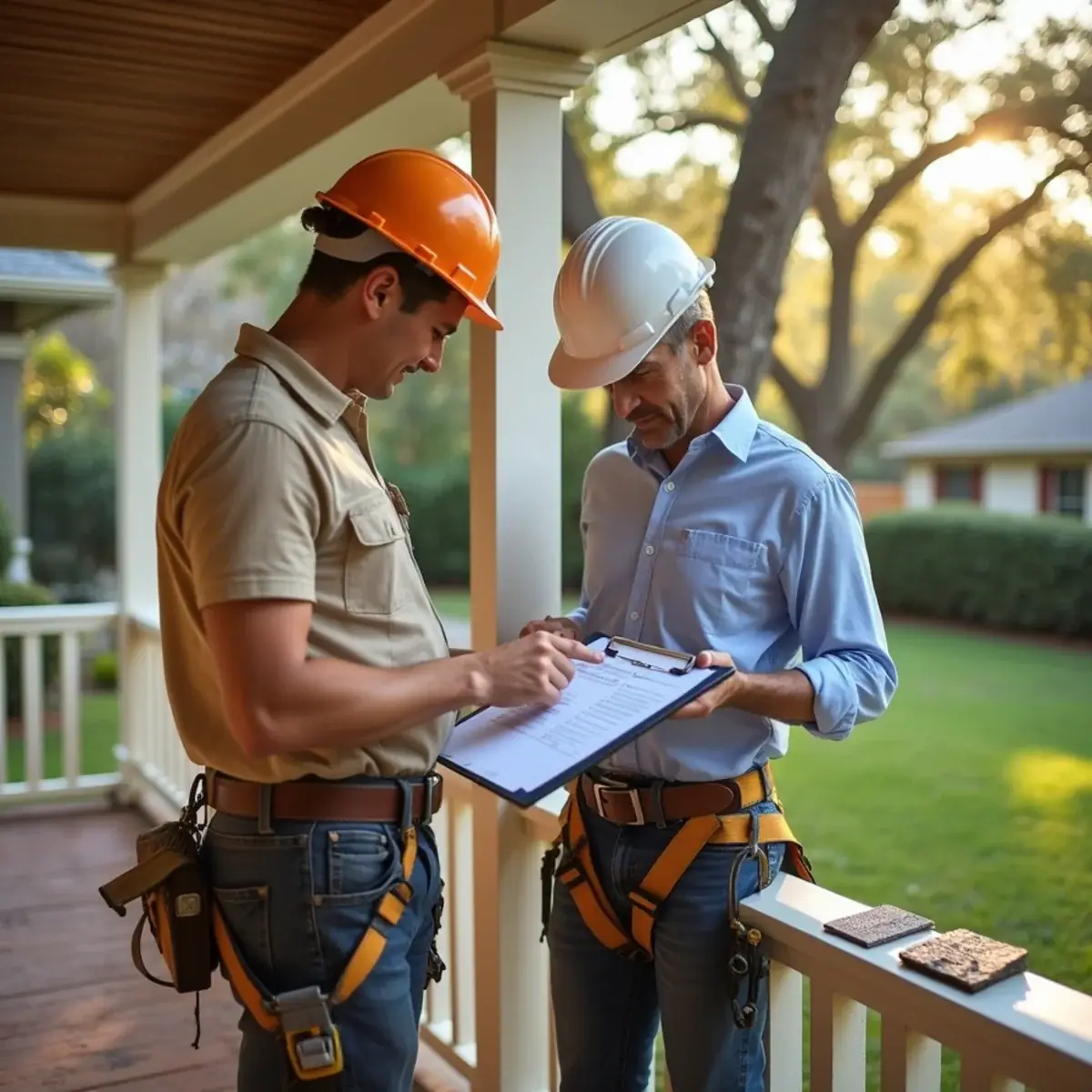
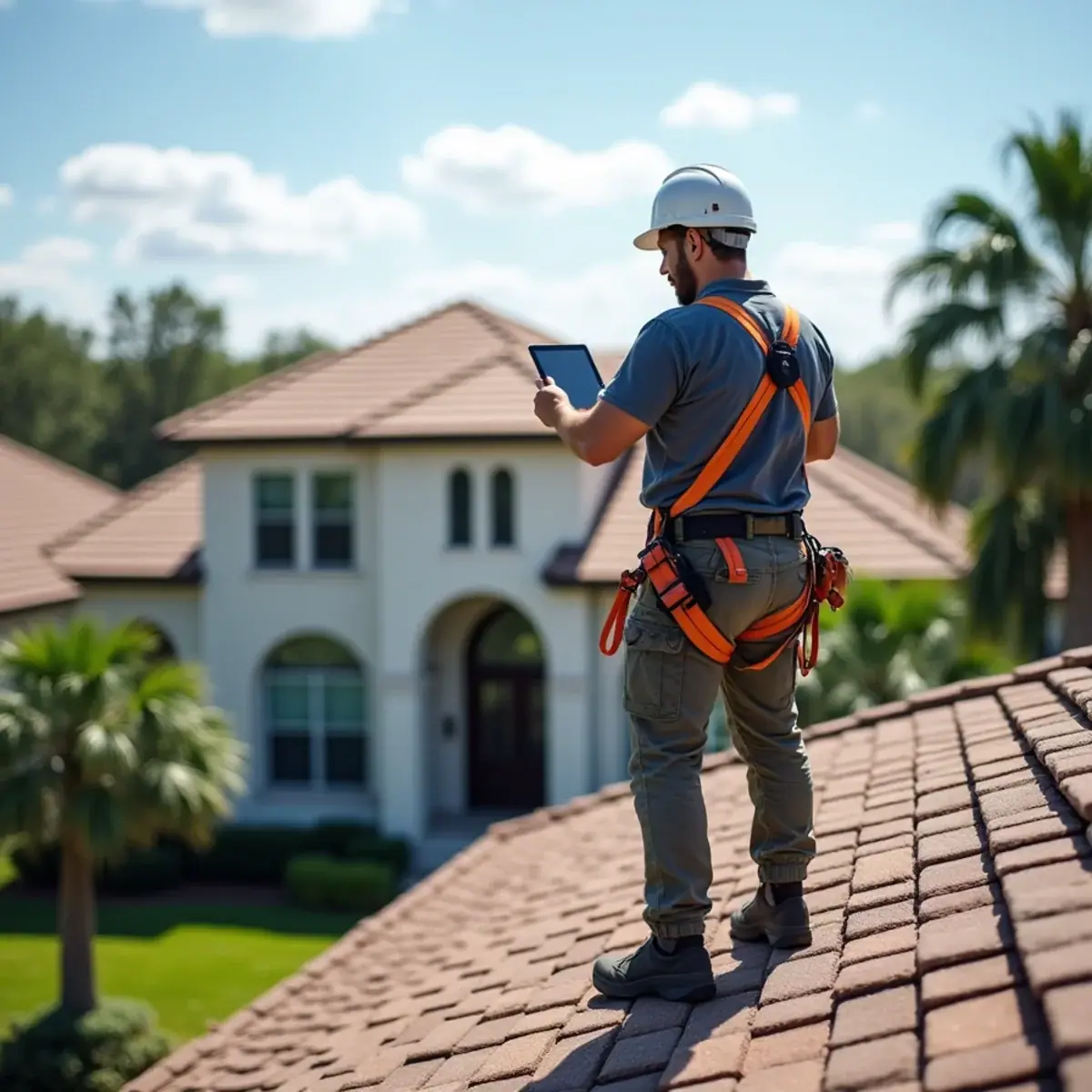
A homeowner's walk-around catches the obvious problems. A roofer's pre-season check focuses on the places where wind actually gets a grip on a roof.
- Edges and corners. Uplift is strongest at the eaves, rakes and corners, so the roofer checks the drip edge fastening and whether the starter course and first rows of shingles are still sealed down.
- Seal strips. Each shingle tab is meant to bond to the row below. The roofer gently checks for tabs that have come loose, since wind can lift and fold them back. Tabs that are still flexible can often be hand-sealed with roofing adhesive.
- Hips and ridges. Ridge and hip caps tend to go first in high wind. On shingle roofs the roofer checks their nails and seal; on tile roofs, whether hip and ridge tiles have cracked loose from their mortar or fasteners.
- Loose field tile. A slipped or unbonded tile can blow off and break others on its way down the roof.
- Penetrations. Pipe boots, vent caps and old satellite dish mounts that have worked loose.
- The attic. Deck nails that missed the rafters, daylight at the deck, and the type of roof-to-wall connection.
The honest limit: a pre-season check finds and fixes weak spots, but it can't make an aging roof new. On a shingle roof near the end of its life, brittle tabs may crack when lifted and won't take hand-sealing well. At that point repairs buy time rather than wind resistance, and the roofer should say so in the written findings.
Quick answers
When should I get my roof inspected before hurricane season?
April or May is best. That leaves time to schedule repairs before June 1, when the season opens and summer storms pick up. If your roof is over 15 years old, has had leaks, or sits under large oaks, a roofer's inspection with photos is worth doing every spring.
Should I tarp my own roof before a hurricane?
No. Tarping before a storm rarely survives hurricane winds, and climbing onto a roof in storm conditions is dangerous. Keep a tarp on hand for a roofer to use, protect the inside of the house, and have the roof tarped once the storm has passed and it is safe.
Do hurricane straps lower insurance premiums in Florida?
They can. Roof-to-wall connections are recorded on Florida's wind mitigation form, OIR-B1-1802, and insurers may give credits for clips, single wraps or double wraps. How much depends on your insurer and policy, so ask your agent and have a qualified inspector complete the form.
How can I tell if my roof is ready for a hurricane?
No inspection can promise a roof will come through a hurricane, but certain features clearly help. A covering in sound condition, a deck nailed to current schedules, clips or straps tying the roof to the walls, a secondary water barrier and a hip roof shape all add wind resistance. A wind mitigation inspection records most of these on form OIR-B1-1802, so it doubles as a snapshot of where your roof stands.
The bottom line before June 1
Hurricane prep for a roof is mostly spring work. A ground walk-around, an attic check, clear valleys, trimmed limbs and dated photos of every slope show where the roof stands while roofers still have open schedules. Fix what turns up before the first named storm, and keep your roof records and deductible details where you can reach them from your phone. If a storm still gets through, our guide to storm damage roof repair after a hurricane covers the first 24 hours, what gets documented and when a repair turns into a replacement.